Toilet Repair in Grand Rapids: The Complete Guide
Toilet repair is the plumbing work that restores a gravity toilet's tank, bowl, seal and supply connection so it fills, flushes and drains without wasting or spilling water. It belongs to fixture repair within residential and commercial plumbing. In Grand Rapids, Michigan, the work centers on five entities: the toilet itself, the flapper that seals the tank, the fill valve that refills it, the wax ring that seals the toilet to the floor and the toilet flange that anchors it to the drain. Toilet repair in the Grand Rapids area also follows city permit rules, a Water System backflow rule for fill valves and a quarterly water bill that shows a running toilet long before anyone hears it.
Types of Toilet Failures
Toilet failures fall into five types, and each one points to a different part of the fixture. A Grand Rapids toilet repair starts by naming the type:
- Running toilet — water passes a worn flapper or an overfilled tank spills into the overflow pipe, and the fill valve keeps refilling. Some running toilets refill on their own every few minutes, a pattern called a phantom flush.
- Leaking toilet base — water appears on the floor after flushes because the wax ring has failed or the toilet has loosened on its bolts.
- Clogged or overflowing toilet — paper, wipes or a foreign object lodge in the trapway, and the next flush rises toward the rim.
- Rocking toilet — loose closet bolts, a broken or low flange or a soft subfloor let the toilet shift under weight.
- Cracked tank or bowl — a crack in the porcelain leaks steadily, and a crack below the water line ends the toilet's service.
Two of the five waste clean water and three put water on the floor. A running toilet raises the water bill without any visible water. A leaking toilet base sends water into the subfloor and, in an upstairs bathroom, into the ceiling below. A clog that rises in one toilet stays a fixture problem; water rising at a basement floor drain belongs to the sewer line instead.
Housing age shapes the mix. The U.S. Census Bureau's American Community Survey (2020–2024) puts 37.5% of Grand Rapids homes before 1940 and the city's median home at 1953. Older bathrooms carry older flanges, older shutoff valves and toilets that use far more water per flush than current models.
Grand Rapids Rules for Toilet Work
Grand Rapids rules decide whether a toilet job needs a permit, who performs it and which fill valve goes back in the tank. The City of Grand Rapids' renovation permit overview states that replacing a faucet, sink, toilet or similar fixture requires no plumbing permit. The city requires a permit for plumbing work beyond that, including new lines and pipes in walls and floors.
| Toilet job in Grand Rapids | Plumbing permit |
|---|---|
| Flapper, fill valve, handle or supply line repair | Not required |
| Wax ring replacement and toilet reset | Not required |
| Replacing a toilet in the same spot | Not required |
| Moving a toilet (new drain and supply lines in the floor or wall) | Required |
| Typical bathroom remodel | Building, electrical and plumbing permits |
Sources: City of Grand Rapids, Overview on Zoning and Permits for Home Renovation Projects; City of Grand Rapids Plumbing Permit Application (rev. 06.11.24).
Permitted work follows three rules from the same city pages:
- Who performs it — a homeowner does plumbing work in a home the owner occupies with a permit; a landlord uses a licensed and registered plumbing contractor.
- What it costs — the Development Center's application charges a $52 non-refundable application fee that includes one inspection, plus $5.00 per water closet (toilet).
- When it gets covered — concealed work stays uncovered until the plumbing inspector approves it.
The Grand Rapids Water System adds a backflow rule that applies to every toilet repair inside its service area. Section 11.3(r) of the 2026 Rules and Regulations requires an anti-siphon fill valve listed to ASSE 1002 or CSA B125, set at least 1 inch above the opening of the overflow pipe. Commercial toilets with flushometer valves meet ASSE 1037 with a vacuum breaker. Suburbs set their own permit rules through their own permit offices, so the permit table above applies inside Grand Rapids city limits.
Toilet Components and Repair Parts
Toilet components wear on different schedules, and the failed part decides the repair. Five parts account for most toilet repair calls in Grand Rapids homes and businesses:
- Flapper and flush valve — the rubber flapper lifts to release tank water through the flush valve and drops to reseal it. EPA WaterSense names old or worn flappers as the source of most toilet leaks and sets replacement at least every five years.
- Fill valve and float — the fill valve refills the tank after each flush, and the float tells it when to stop. A float set too high sends water down the overflow pipe.
- Wax ring — a compressible ring of wax seals the toilet outlet to the flange; wax-free foam or rubber seals do the same job.
- Toilet flange and closet bolts — the flange ring anchors the toilet to the drain pipe, and two closet bolts hold the toilet to it. Flanges come in PVC, cast iron and stainless steel.
- Supply line and stop valve — a braided stainless or plastic supply line carries water from the stop valve on the wall to the fill valve.
The City of Grand Rapids names the overflow pipe and the flapper valve as the two common toilet leak sites. Its dye test puts a few drops of food coloring in a settled tank; color in the bowl within 15 to 30 minutes signals a leak, and EPA WaterSense uses a 10-minute window for the same test. Parts inside the tank cost little. Parts under the toilet require lifting it, which adds labor.
Toilet Repair Methods
Toilet repair methods match the failed part, from a five-minute flapper swap to a full reset on a new flange. Five methods cover most running toilet, leak and clog calls:
- Flapper and fill valve replacement — the plumber shuts the stop valve, drains the tank, fits a flapper sized to the flush valve, replaces the fill valve with an anti-siphon model and sets the water level below the overflow pipe.
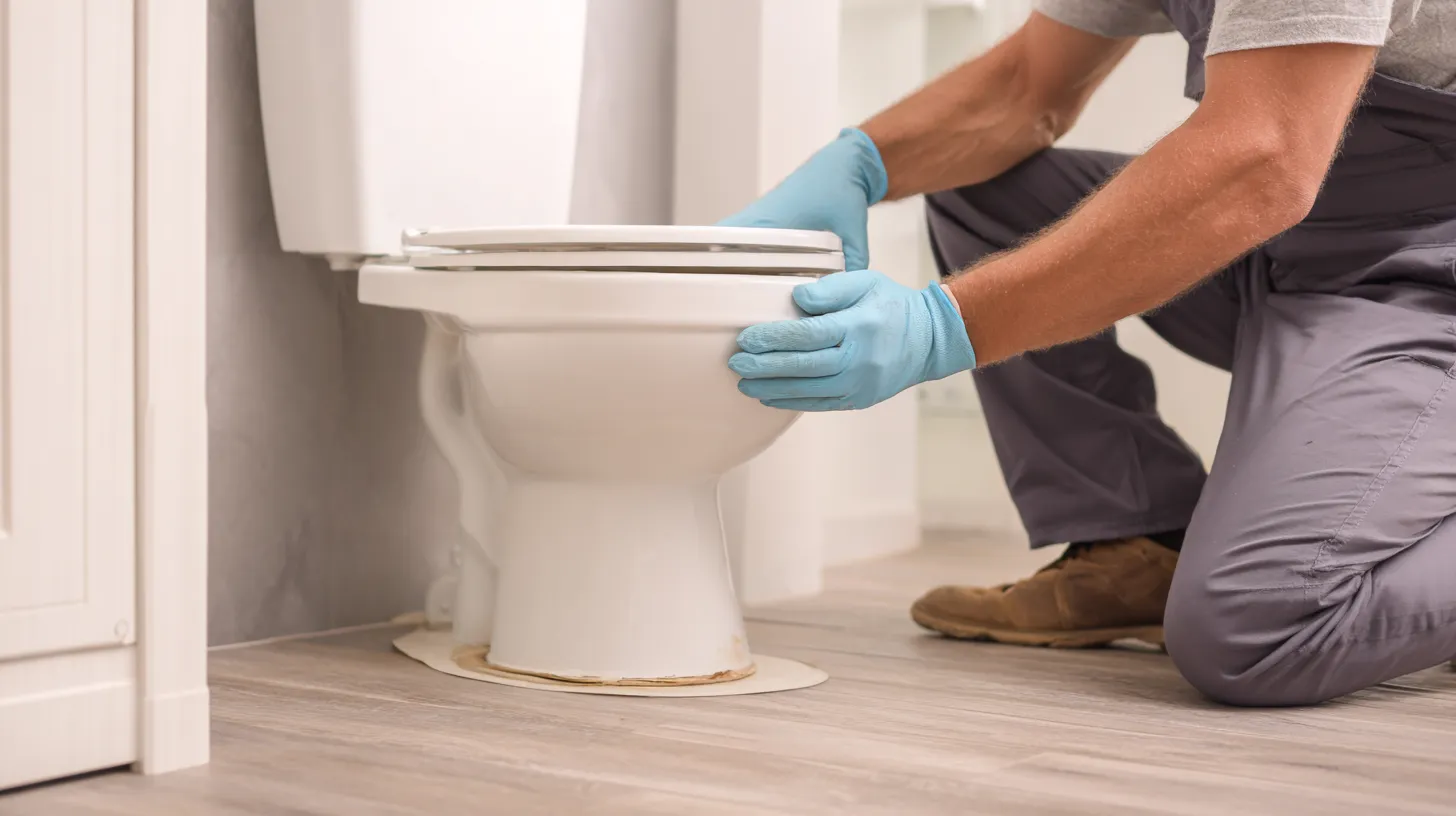
- Wax ring replacement and toilet reset — the toilet comes off the flange, the old wax gets scraped away, and a new ring and new closet bolts go on before the toilet goes back down level.
- Flange repair or replacement — a repair ring or spacer fixes a cracked, broken or low flange so the bolts hold and the seal compresses evenly.
- Clog clearing — a flange plunger pushes water against the clog; a closet auger reaches through the trapway without scratching the porcelain. Recurring clogs across several drains go to drain cleaning.
- Supply line and stop valve replacement — a new braided supply line and a quarter-turn stop replace a dripping line or a valve that no longer closes.
Every repair ends with a test: several flushes, a dye test on the tank and a dry check at the base and supply connection. The askdoss 2026 Michigan cost guide puts a toilet replacement at 1 to 2 hours.
Repair, Replacement and WaterSense Toilets
Repair keeps a sound toilet in service; replacement makes sense when the porcelain cracks, parts keep failing or the toilet uses far more water per flush than current models. Cost follows the job:
| Toilet job | Typical cost | Source |
|---|---|---|
| Flapper or fill valve, parts only | $10–$25 | askdoss 2026 |
| Flapper or fill valve, professional | $100–$200 | askdoss 2026 |
| Fill valve replacement, Grand Rapids | $120–$150 | HomeBlue 2023 |
| Wax ring replacement, Grand Rapids | $150–$220 | HomeBlue 2023 |
| Clog cleared with a snake or auger | $150–$350 (average $225) | askdoss 2026 |
| Toilet replacement | $250–$600 (average $400, 1–2 hours) | askdoss 2026 |
| Standard toilet installed, Grand Rapids | $300–$790 | HomeBlue 2023 |
Grand Rapids service calls add $65 to $100 during regular hours in the same 2026 Michigan guide. HomeBlue's Grand Rapids page prices a standard toilet alone at $100 to $600 and a toilet with a bidet at $600 to $1,200, and lists flange repair as a factor that raises the price.
Water use sets the long-term side of the decision. EPA WaterSense data compares three flush volumes:
| Toilet | Gallons per flush |
|---|---|
| Older, inefficient toilet | Up to 6 |
| Federal standard | 1.6 |
| WaterSense labeled toilet | 1.28 or less |
Source: EPA WaterSense, Residential Toilets.
Toilets account for nearly 30% of an average home's indoor water use, according to EPA. Replacing old toilets with WaterSense models cuts toilet water use by 20 to 60 percent and saves a family nearly 13,000 gallons and more than $170 a year, or $3,400 over the toilets' lifetime.
A Constantly Running Toilet Wastes 200 Gallons of Water or More a Day
A toilet that runs without stopping wastes 200 gallons of water or more every day, according to EPA WaterSense's 2009 Fix a Leak Week release. EPA's current Fix a Leak Week page adds that a worn flapper makes a toilet flush on its own or leak thousands of gallons a year without a sound. EPA puts household leaks at 180 gallons a week, with toilets a frequent cause, and the average household's leaks above 9,300 gallons a year. Nine percent of homes leak 50 gallons or more a day. Fixing easily corrected leaks saves about 10% on water bills. A running toilet wastes the same treated water every hour of the day, so the damage shows up on the bill instead of the floor.
Grand Rapids Requires No Plumbing Permit to Replace a Toilet
A toilet replacement in the same location needs no plumbing permit inside Grand Rapids city limits. The City of Grand Rapids' renovation overview exempts replacing a faucet, sink, toilet or similar fixture and requires permits for plumbing work beyond that. Moving a toilet adds drain and supply lines in the floor or wall, so it requires a permit, and a typical bathroom remodel needs building, electrical and plumbing permits. The Development Center's plumbing permit application lists the water closet (toilet) at $5.00 per fixture, plus a $52 application fee that includes one inspection. Owner-occupants pull their own permits, and all other permitted work, including a landlord's, goes through a licensed and registered plumbing contractor. A water heater replacement, by contrast, always carries a permit in Grand Rapids.
Grand Rapids Requires Every Toilet Fill Valve to Be an Anti-Siphon Type Set at Least 1 Inch Above the Overflow Pipe
The Grand Rapids Water System protects its drinking water from tank water flowing backward into the supply. Section 11.3(r) of the 2026 Rules and Regulations requires a toilet's potable water supply to pass through an anti-siphon ballcock, or fill valve, conforming to ASSE 1002 or CSA B125. The fill valve's backflow preventer sits at least 1 inch above the full opening of the overflow pipe. Flushometer toilets in commercial restrooms meet ASSE 1037 with a vacuum breaker meeting ASSE 1001 or CSA B64.1.1. A fill valve replacement therefore involves more than stopping a running toilet: the new valve carries the listing, and its height sets the tank's water level below the overflow pipe.
WaterSense Toilets Use 1.28 Gallons per Flush or Less, 20 Percent Below the Federal Standard
WaterSense labeled toilets flush with 1.28 gallons or less, 20% less than the federal standard of 1.6 gallons per flush, according to EPA. Older, inefficient toilets use as much as 6 gallons per flush, so a WaterSense model replacing one saves up to 4.72 gallons on every flush. EPA estimates that replacing every old toilet in the country would save more than 260 billion gallons a year. Version 1.2 of the WaterSense specification remains in effect; EPA paused Version 2.0, which would have set 1.28 gallons for single-flush toilets and the full flush of dual-flush toilets. Certification depends on independent tests for flushability, bowl cleaning, drainline waste transport and waste extraction.
A Running Toilet Counts as a Leak Under Grand Rapids Water Rules, and the Credit Starts Only When Use Tops Three Times Normal
The Grand Rapids Residential Leak Adjustment Program covers a running toilet, because Section 3.3 of the 2026 Water System rules defines a leak as unintentional water loss from broken, damaged or malfunctioning plumbing fixtures, pipes or irrigation equipment. The credit carries the same conditions described in the leak detection and repair guide: single-occupancy residential accounts, one adjustment every 24 months, use above three times normal and up to 25% of the water usage on the highest quarterly bill. Sewer charges never qualify.
The city's 2026 rates show what a running toilet adds:
| Item | Figure |
|---|---|
| Running toilet at 200 gallons a day, 91-day quarter | 18,200 gallons |
| Grand Rapids billing unit | 748 gallons (100 cubic feet) |
| Added water use | About 24.3 units |
| Water commodity charge, 2026 | $2.74 per unit |
| Added water charge | About $67 a quarter |
| Typical Grand Rapids domestic water use | 21 units a quarter ($101.76 water, $215.37 with sewer) |
Sources: EPA WaterSense (2009); Grand Rapids Water System Rules and Regulations 2026; City of Grand Rapids 2025 Final Water/Sewer Rate Study (rates effective January 1, 2026).
At 21 units of normal use, a 200-gallon-a-day toilet lifts the quarter to about 45 units, roughly 2.2 times normal, which falls short of the credit threshold. Crossing three times normal takes about 42 extra units, near 345 gallons a day. The sewer commodity charge, $4.29 per unit in 2026, stays outside the credit.
Frequently Asked Questions
Why Does A Toilet Keep Running After A Flush?
A worn flapper or a fill valve that never shuts off keeps water moving. Water slipping past the flapper drains into the bowl, so the fill valve refills the tank again and again. A float set too high sends water down the overflow pipe instead. EPA names worn flappers as the source of most toilet leaks.
Why Does Water Leak Around The Base Of A Toilet?
A failed wax ring or a loose toilet lets water escape between the toilet and the flange on every flush. A sweating tank, a loose supply nut or a crack in the porcelain also puts water on the floor, so the source gets confirmed before the toilet comes up.
Why Does A Toilet Rock On The Floor?
A toilet rocks when the closet bolts loosen, the flange breaks or sits out of level, or the subfloor softens. Each movement breaks the wax seal, so a rocking toilet turns into a base leak. A reset with new bolts, a sound flange and a new seal ends both problems.
How Is An Overflowing Toilet Stopped?
Closing the stop valve on the supply line behind the toilet stops the tank from refilling. Lifting the tank lid and pressing the flapper down closes the flush valve. When the stop valve fails, the main shutoff next to the water meter stops all water to the building.
Does Grand Rapids Require A Permit To Replace A Toilet?
No. The City of Grand Rapids exempts replacing a toilet, sink, faucet or similar fixture from plumbing permits. Moving a toilet adds lines in the floor or wall and requires a permit; the city's application lists toilets at $5.00 each. Suburbs follow their own permit offices.
Common Misconceptions About Toilet Repair
Misconception: A Running Toilet Wastes Only A Little Water
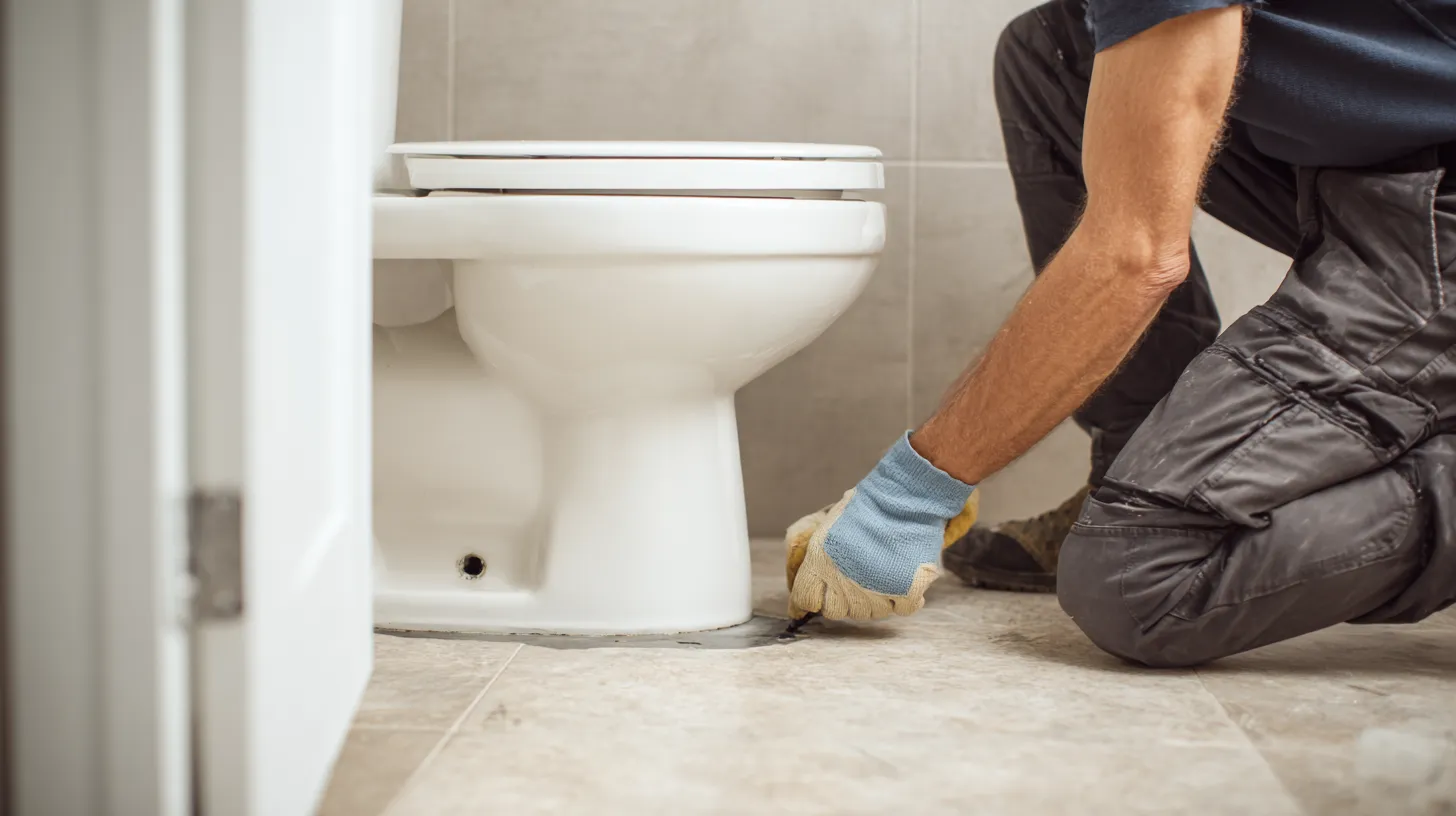
A 2009 EPA WaterSense release puts a constantly running toilet at 200 gallons or more a day. EPA's Fix a Leak Week page states that a worn flapper leaks thousands of gallons a year without a sound. At Grand Rapids' 748-gallon billing unit, 200 gallons a day adds about 24 units to a quarterly bill.
Misconception: Caulk Around The Base Stops A Toilet Base Leak
The seal that stops a base leak sits under the toilet, between the toilet outlet and the flange. Caulk on the outside edge keeps mop water out but leaves a failed wax ring in place. Water from the broken seal keeps reaching the subfloor inside the caulk line.
Misconception: A Rocking Toilet Is Only A Comfort Problem
Movement breaks the wax seal between the toilet and the flange. A toilet that shifts each time someone sits on it opens a gap that leaks on every flush. Tightening the bolts over a cracked flange fails to hold, so the flange gets repaired before the reset.
Misconception: Every Toilet Clog Means A Main Sewer Line Problem
One clogged toilet with every other drain flowing points to the toilet's own trapway or branch. Water rising at the basement floor drain when the toilet flushes points to the building drain or lateral, which every fixture shares. A flange plunger or closet auger clears most single-toilet clogs.
Misconception: A WaterSense Toilet Flushes Weaker Than An Older High-Volume Toilet
WaterSense certification requires independent testing for flushability, bowl cleaning, drainline waste transport and waste extraction. EPA labels only toilets that pass those tests at 1.28 gallons per flush or less. Older toilets use up to 6 gallons per flush without meeting that test.
Ongoing Debates in Toilet Repair
Repairing and replacing divide owners of older toilets. A flapper or fill valve repair costs $100 to $200 with a plumber in the 2026 Michigan cost guide and keeps a working fixture in place. A WaterSense replacement, $250 to $600 in the same guide, cuts toilet water use by 20 to 60 percent according to EPA. The toilet's flush volume, porcelain condition and repair history settle the choice.
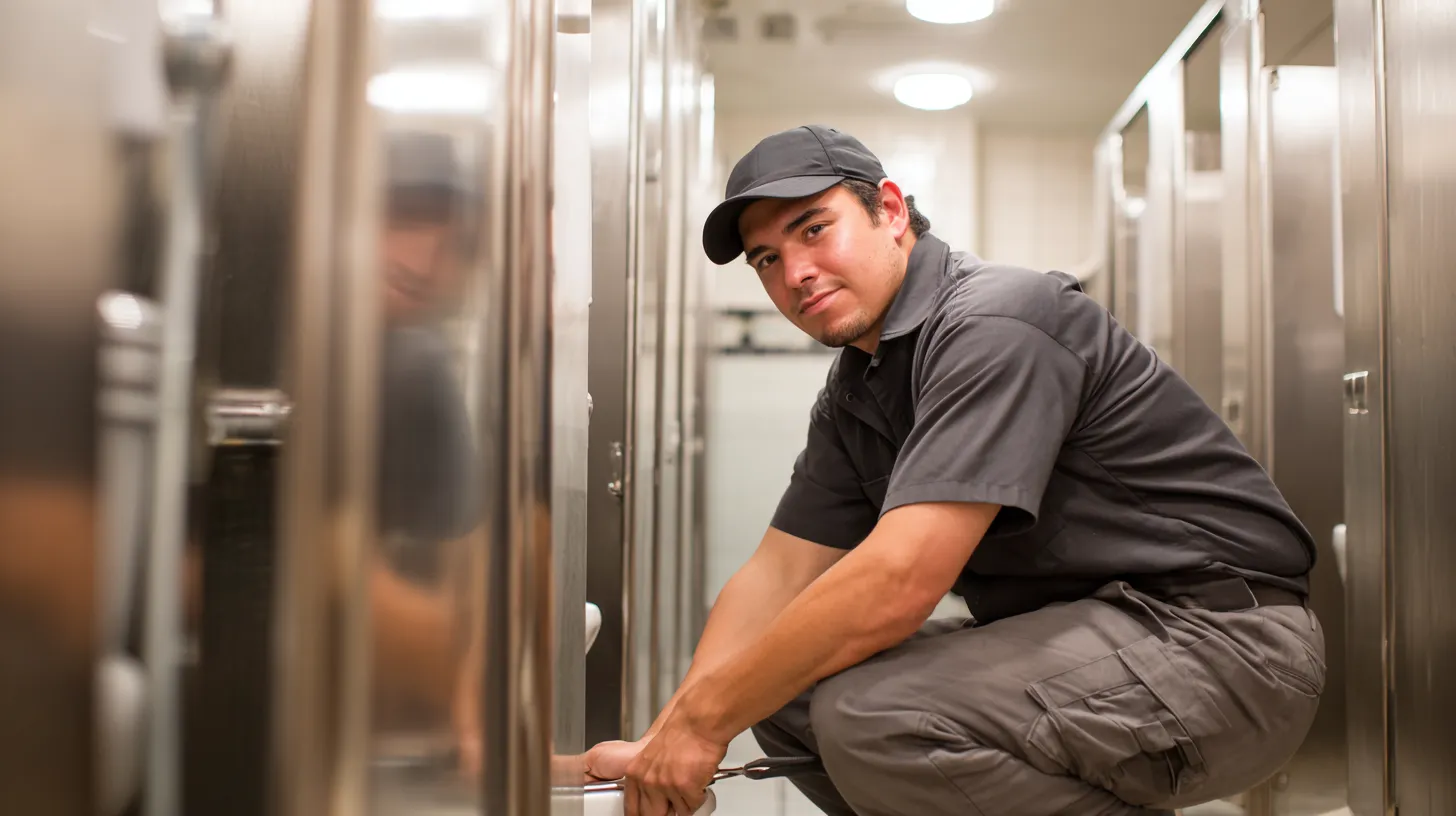
Wax rings and wax-free seals divide plumbers resetting a toilet. Wax rings carry the longest track record and cost little. Foam and rubber wax-free seals tolerate a second reset and adapt to a flange set below the finished floor. The flange height and the chance of the toilet coming up again decide which seal goes on.
Do-it-yourself part swaps and plumber visits divide owners of a running toilet. Flapper and fill valve parts cost $10 to $25, and Grand Rapids requires no permit for the swap. A plumber charges $100 to $200 and checks the fill valve's anti-siphon listing, the water level, the supply line and the base at the same visit.
Single-flush and dual-flush designs divide buyers of a new toilet. A single-flush WaterSense toilet uses one volume of 1.28 gallons or less. A dual-flush toilet adds a lower volume for liquid waste. EPA's paused Version 2.0 specification would have held both single-flush toilets and the full flush of dual-flush toilets to 1.28 gallons.
Caulked and uncaulked bases divide installers. A full bead of caulk keeps mop water and odors from collecting under the toilet. Leaving the back of the base open lets water from a failed wax ring appear on the floor before the subfloor rots. Bathroom use and floor material decide the approach.
Components of a Grand Rapids Toilet Repair
Every toilet repair works through the same five part-whole relationships. The flapper is a component of the flush valve; it lifts to release tank water and reseals the valve when it drops, and a warped flapper turns the whole flush valve into a leak. The float is a component of the fill valve, and its height tells the valve when to stop, which keeps the water level below the overflow pipe that Grand Rapids' backflow rule measures against. The wax ring is a component of the toilet-to-flange seal, compressing between the toilet outlet and the flange so wastewater stays inside the drain. The closet bolts are a component of the toilet flange connection; they hold the toilet down so the seal stays compressed and the toilet stays level. The stop valve is a component of the toilet supply connection, isolating the toilet so a plumber repairs it without shutting off the building. The plumber identifies the failed component before choosing between a part swap, a reset and a new toilet.
Summary
Toilet repair in Grand Rapids covers five areas: the types of toilet failures, the city's rules for toilet work, the components and repair parts, the repair methods and the repair-or-replace decision with WaterSense toilets. Grand Rapids requires no plumbing permit to replace a toilet in place, requires an anti-siphon fill valve at least 1 inch above the overflow pipe and treats a running toilet as a leak under its credit rules. A constantly running toilet wastes 200 gallons or more a day, about $67 of water a quarter at 2026 rates. Toilet repair ends with a tank that seals, a base that stays dry and a toilet that sits level.