
Calendar
Grand Rapids Plumbing Maintenance Calendar
Twelve months of plumbing tasks timed to West Michigan weather, from the first hard freeze to spring thaw. Tick tasks off, filter by home type and add yearly reminders to your phone calendar.
Reviewed October 24, 2026 · Free to use · Bookmark it for next time
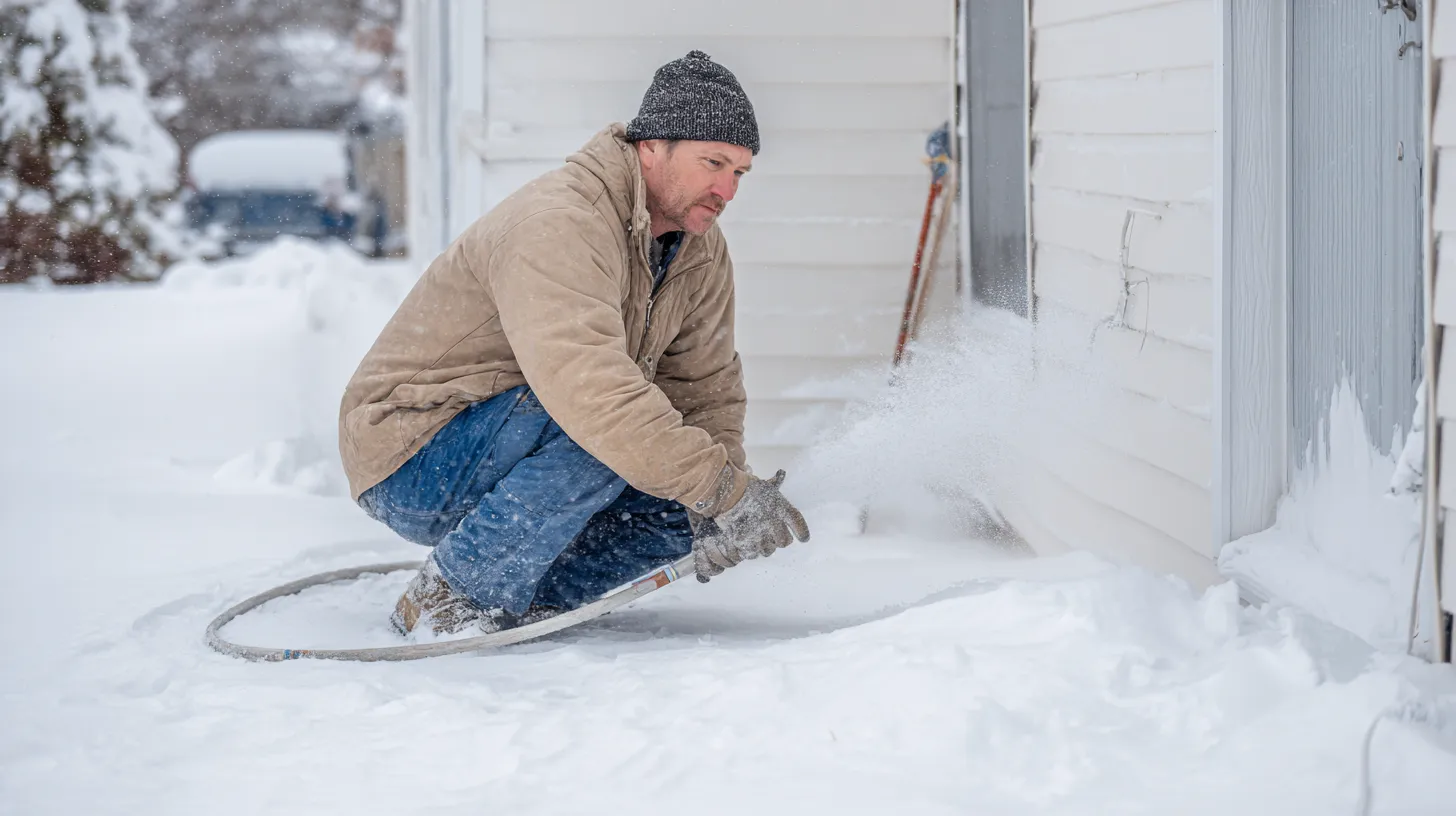
- Oct 14Average first 32°F night in Grand Rapids (1991–2020)
- Oct 29Average first hard freeze, 28°F or colder
- May 1Average last 32°F night in spring
- 55°FCity of Grand Rapids minimum thermostat for an empty home in winter
Your 12-Month Plumbing Calendar
Each month lists 2–4 tasks for a Grand Rapids-area home. Ticks save in this browser, so the list picks up where you left off. Tick the boxes that describe your home to narrow the extra tasks; leave them all blank to see every task.
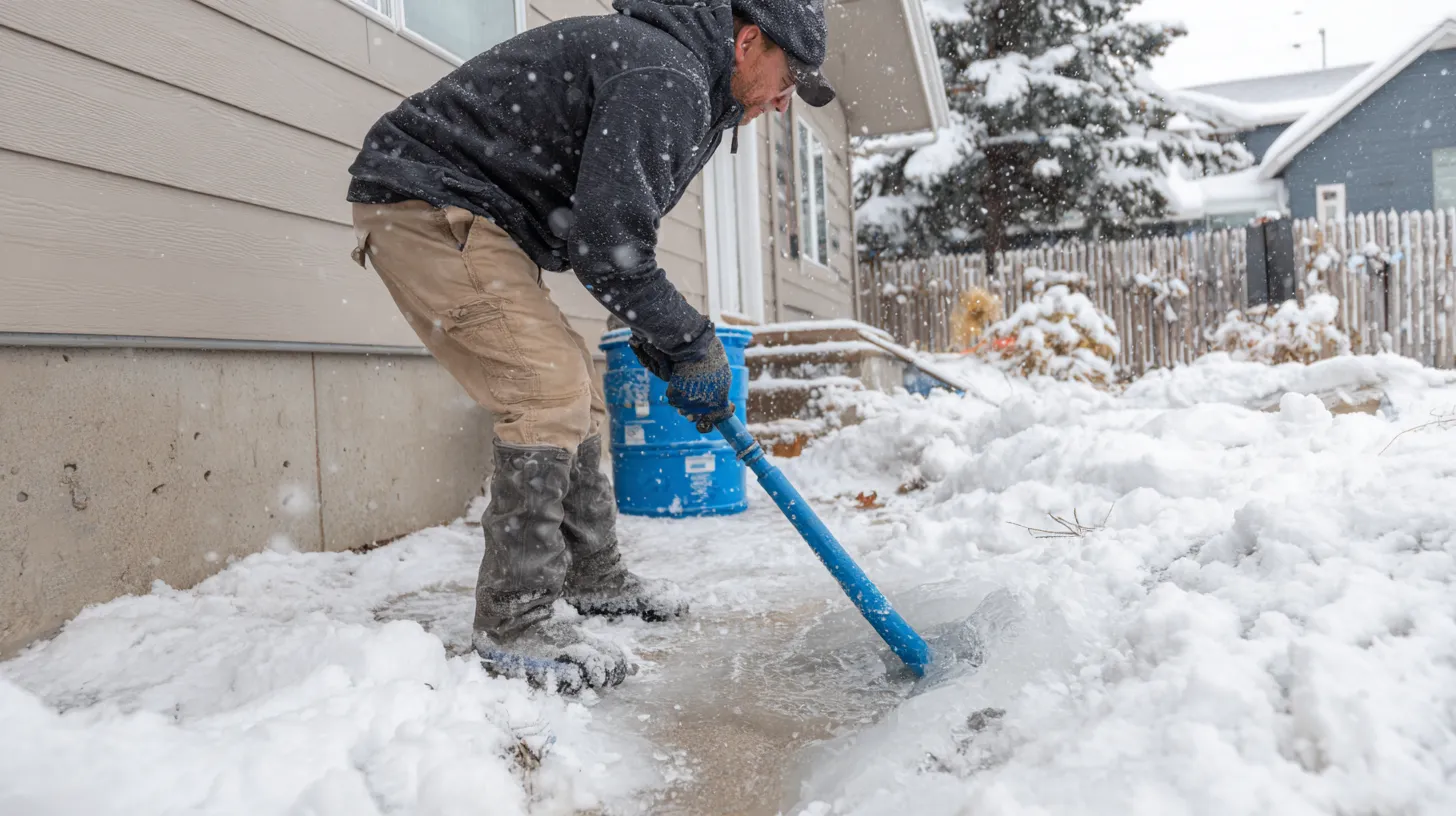
January to March: Deep Cold and Thaw
Pipes along outside walls, meters and hose bibs freeze first. Late winter brings snowmelt toward the foundation.
February This Month
March This Month
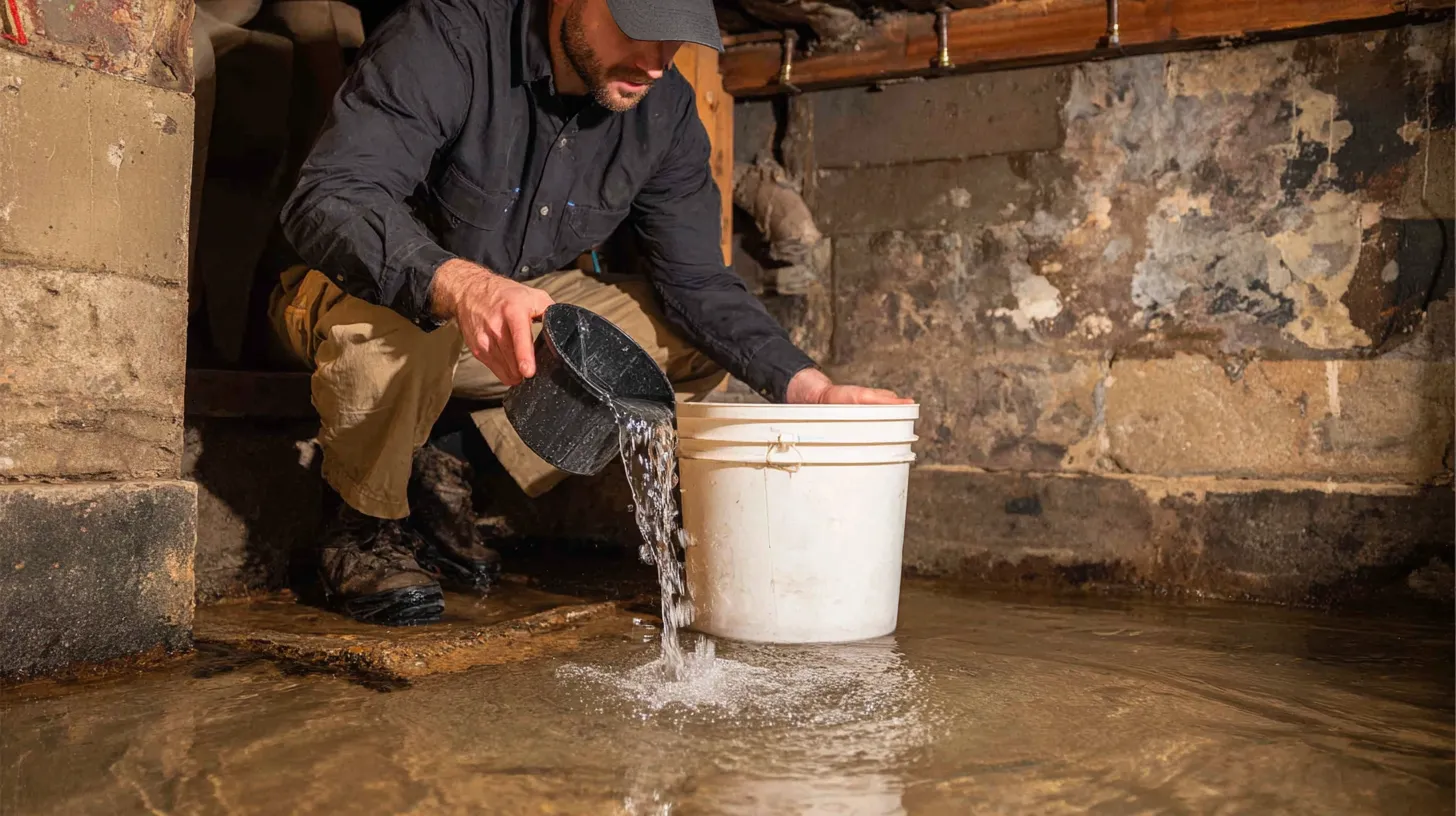
April to June: Rain, Flood Season and Last Frost
The Grand River set its record crest of 21.85 feet on April 21, 2013. Spring rain tests sump pumps and sewer laterals.
April This Month
May This Month
June This Month
July to September: Outdoor Water and Fall Prep
Summer use shows leaks at hoses and fixtures. September sets up the valve and sump checks before fall storms.
July This Month
August This Month
September This Month
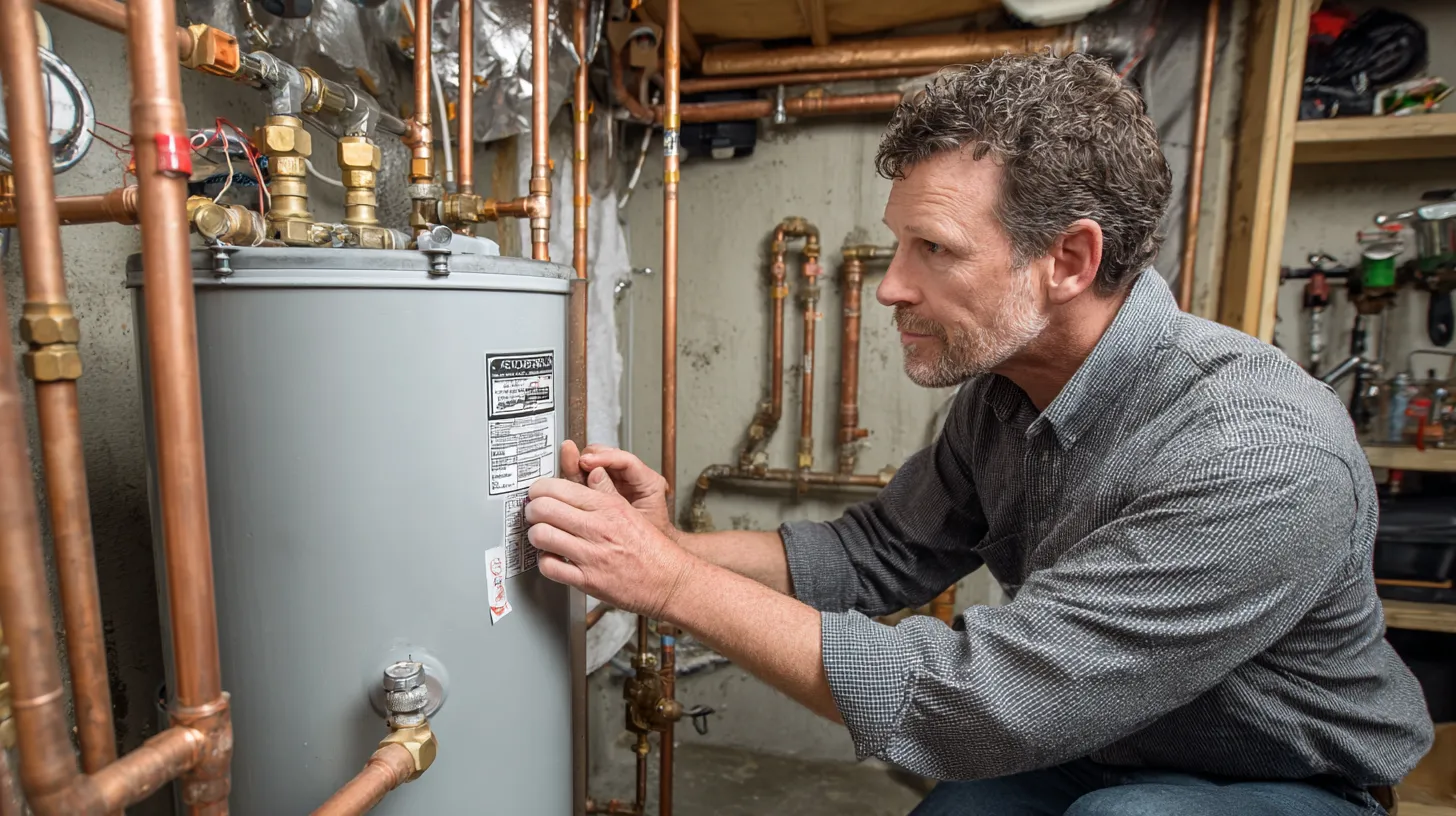
October to December: First Freeze and Winter Setup
The first 32°F night averages October 14 and the first hard freeze October 29. Outdoor water comes first.
October This Month
November This Month
December This Month
First Hard Freeze in Grand Rapids: Dates and What To Protect
Grand Rapids averages its first 32°F night around October 14 and its first hard freeze, 28°F or colder, around October 29. Those dates come from 30 years of National Weather Service daily lows (1991–2020). Freezes arrive earlier in rural low spots than at the city station.
- Oct 14Average first 32°F night
- Oct 29Average first hard freeze (28°F)
- Sept 3, 1946Earliest fall freeze on record
- Apr 17Average last hard freeze in spring
- May 1Average last 32°F night
- June 4, 1945Latest spring freeze on record
Outdoor Faucets
Hose Bibs
Disconnect exterior garden hoses and winterize each outdoor faucet before the first freeze, per East Grand Rapids.
Hoses and Irrigation
Sprinklers and Hoses
A hard freeze damages undrained lines. In spring, EPA WaterSense says to inspect in-ground irrigation for frost or freeze damage before the first use.
Crawl Spaces
Unheated Spaces
Grand Rapids names pipes on outside walls, in garages and in unheated buildings as the most likely to freeze: wrap, insulate, or shut off and drain them.
Vacant Homes
Cottages and Rentals
An empty Grand Rapids property needs heat at 55°F or proper winterizing. The city accepts no liability for frozen pipes or meters otherwise.
Inside the House During a Cold Snap
- Hold heat: keep the thermostat at 55°F or higher, even when away.
- Move water: drip cold water from the inside faucet farthest from the meter.
- Open cabinets: let room heat reach pipes under sinks and in pipe chases.
- Heat the meter space: East Grand Rapids sets the floor at 40°F.
Michigan's building code protects foundations from frost by setting them at least 42 inches below finish grade, and Grand Rapids' deck guide requires the same 42 inches of cover.
A frozen meter is the owner's bill. Grand Rapids' 2026 Water System Rules list $225 to replace a frozen 3/4-inch meter plus a $75 meter set fee. If the water stops and a street main break is possible, call 616-456-3000 to confirm.
Spring Thaw and the Sump Pump Test
A sump pump test before snowmelt or heavy rain shows whether the pump starts, empties the pit and shuts off. NDSU Extension's flood checklist lists the steps below.
1 Clean the pump and the pit.
2 Pour water into the pit and watch the pump start and stop.
3 Check that the discharge hose empties several feet from the house, onto ground that slopes away.
NDSU warns that a hose outlet too close to the foundation lets water recycle through the drain tile, and that sump water piped into a city sanitary sewer risks overloading it and backing up sewage. In Grand Rapids, Policy 1000-22 offers financial help for sump pumps, footing drain disconnection and backwater valves where the city determines eligibility.
Water Heater Flushing: A Quart Every 3 Months
The U.S. Department of Energy's Energy Saver Guide says to drain a quart of water from the tank every 3 months to remove the sediment that impedes heat transfer, following the manufacturer's directions. This calendar places the drain in January, April, July and October.
- 1 quartDrained each time (DOE)
- Every 3 monthsSediment drain interval (DOE)
- 120°FDOE setting for most households
- 10–15 yearsTypical storage water heater life (DOE)
1
Power or Gas Off
DOE's Building America Solution Center says to switch an electric heater's breakers off, and to follow the manufacturer's instructions on a gas unit so the pilot stays safe.
2
Hot Water Out
Water leaves the drain valve hot. Run the hose to a spot lower than the bottom of the tank.
3
Refill First
Close the drain valve and let the tank fill completely before turning power or gas back on; a heater firing empty damages itself quickly.
Sewer Cleanout and Backwater Valve Check Before Heavy Rain
A backwater valve closes the sewer lateral when an overloaded public sewer pushes flow back toward the house. The City of Ann Arbor's checklist calls for annual or twice-yearly inspection and says the property owner maintains the valve.
- Wear gloves and safety glasses; the valve sits in a sewage line.
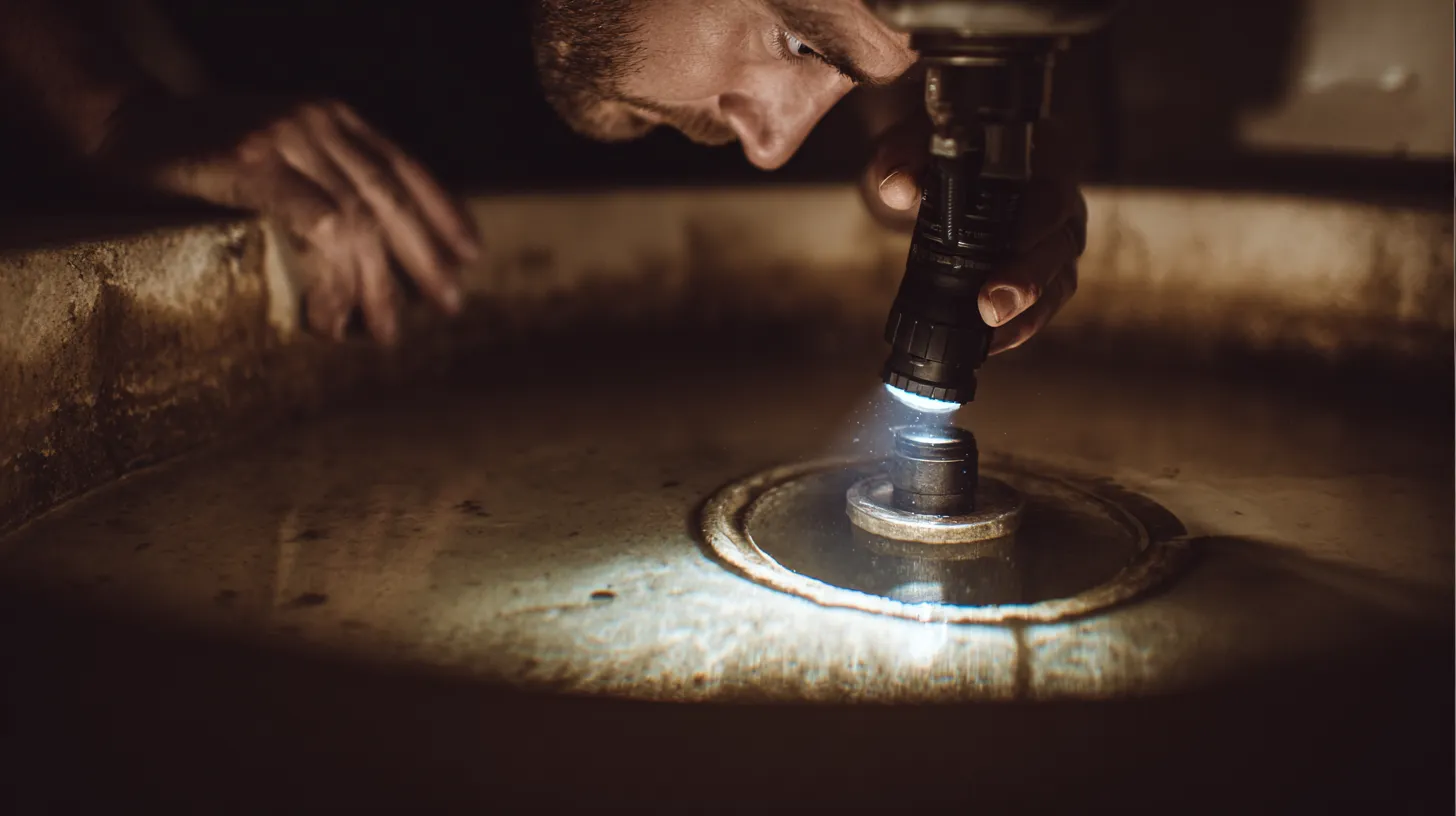
- Remove the cleanout plug on top of the valve and look inside with a flashlight.
- Flush debris from the valve body, flap and seat with water.
- Inspect the O-ring, confirm the flap swings freely, then reinstall the plug.
While the valve is closed, nothing drains out. Ann Arbor notes that an engaged check valve also stops toilets and sinks from draining until the public sewer recovers, so hold off on water use during a surcharge.
Grand Rapids' Footing Drain Disconnection Program moves footing-drain water from the sanitary sewer to the storm sewer to cut basement backups, and Policy 1000-22 helps pay for backwater valves where an overloaded city sewer caused a backup in the past 10 years.
Extra Tasks by Home Type
Home age, water source and occupancy add tasks to the base calendar. The filter at the top of the page shows only the extras that match your home.
| Home Type | Why It Matters Here | Extra Tasks |
|---|---|---|
| Older home | 37.5% of Grand Rapids homes date from before 1940 (ACS 2020–24). | April: look up the service line material. August: list exposed pipes to wrap. |
| Private well | Algoma, Cascade, Caledonia and Alto-area homes include private wells; Michigan requires a well test only at installation. | May: yearly coliform and nitrate test. December: catch a missed test. |
| Sump pump | Snowmelt and spring rain drive the heaviest pumping; the Grand River crested at 20.67 feet on February 25, 2018. | February, March, April, June and September pump checks. |
| Rental or cottage | Grand Rapids holds the owner responsible for winterizing and draining an empty property. | January, October and November vacancy and tenant tasks. |
A frozen line, failed sump or leaking water heater is a repair job; the burst and frozen pipe repair page explains what happens next.
Common Questions
When Does Grand Rapids Usually Get Its First Hard Freeze?
Grand Rapids averages its first hard freeze, 28°F or colder, around October 29, based on National Weather Service daily lows for 1991–2020. The first 32°F night arrives earlier, around October 14. The record early freeze came on September 3, 1946, so disconnect hoses in early October rather than waiting for the average. Warm El Niño winters still bring hard freezes: see the 2026–27 freeze-risk numbers.
When Is It Safe To Turn Outdoor Faucets Back On in Grand Rapids?
The average last 32°F night in Grand Rapids falls around May 1 (1991–2020 NWS data), and the latest on record came June 4, 1945. EPA WaterSense advises inspecting an in-ground irrigation system each spring, before use, for frost or freeze damage.
How Often Do I Drain My Water Heater?
The U.S. Department of Energy's Energy Saver Guide says to drain a quart of water from the tank every 3 months to remove sediment, following the manufacturer's directions. That lines up with January, April, July and October on this calendar.
What Happens If My Water Meter Freezes in Grand Rapids?
The property owner pays. The City of Grand Rapids charges for a frozen or damaged meter, and its 2026 Water System Rules list $225 to replace a 3/4-inch meter plus a $75 meter set fee. The city tells owners to keep the meter space heated.
How Often Do I Check a Backwater Valve?
The City of Ann Arbor's check valve checklist calls for annual or twice-yearly inspection and says the property owner maintains the valve. This calendar places the checks in April and September, ahead of spring rain and fall storms.
Sources and How This Tool Works
Freeze dates are averages calculated from the National Weather Service daily low temperatures for the Grand Rapids climate station (NOWData / ACIS, 1991–2020): the last spring night and first fall night at or below 32°F and 28°F, averaged over 30 years. Record dates come from the NWS Grand Rapids annual climate report. Tasks follow the City of Grand Rapids, U.S. Department of Energy, U.S. EPA, NDSU Extension and City of Ann Arbor guidance linked below.
- NWS Grand Rapids: climate data and NOWData
- NWS Grand Rapids: annual climate report (freeze date records)
- NOAA Regional Climate Centers ACIS (station GRRthr daily data)
- NWS Detroit: first fall freeze (rural sites freeze earlier than in-town sites)
- NWS glossary: hard freeze
- City of Grand Rapids: Winter Preparedness Guide
- City of Grand Rapids Water System: Customer Account (winter vacancy)
- City of Grand Rapids Water System Rules and Regulations 2026
- City of East Grand Rapids: Prevent Frozen Pipes (January 20, 2022)
- Michigan Admin. Code R 408.30449: frost protection
- City of Grand Rapids: Residential Deck Guide (42-inch frost cover)
- NDSU Extension: Steps to Reduce Flood and Water Damage
- City of Ann Arbor: Whole-House Check Valve Maintenance Checklist
- City of Grand Rapids: Policy 1000-22, Backwater Valve/Sump Pump/Footing Drain Program
- City of Grand Rapids: Footing Drain Disconnection Program
- NOAA: Grand River at Grand Rapids gauge (crest history)
- U.S. Department of Energy: Energy Saver Guide (2022), Water Heating
- DOE Building America Solution Center (PNNL): Flush Water Heater Tank
- U.S. EPA WaterSense: Fix a Leak Week
- City of Grand Rapids: Lead Line Replacement Program
- Census Reporter: Grand Rapids housing age (ACS 2020–24)
- Plainfield Charter Township Water (irrigation backflow testing)
General information for Grand Rapids-area properties, reviewed October 24, 2026. Rules, rates and programs change; the linked source's current version controls. Freeze dates are 30-year averages for one Grand Rapids station; any single year runs earlier or later, and rural low spots freeze sooner. Follow the manual for your water heater, sump pump and backwater valve.
Water, sewage or gas where it doesn't belong? Grand Rapids Michigan Plumber answers 24/7.
Request Service Call (616) 345-5690