Sump Pump Repair and Installation in Grand Rapids: The Complete Guide
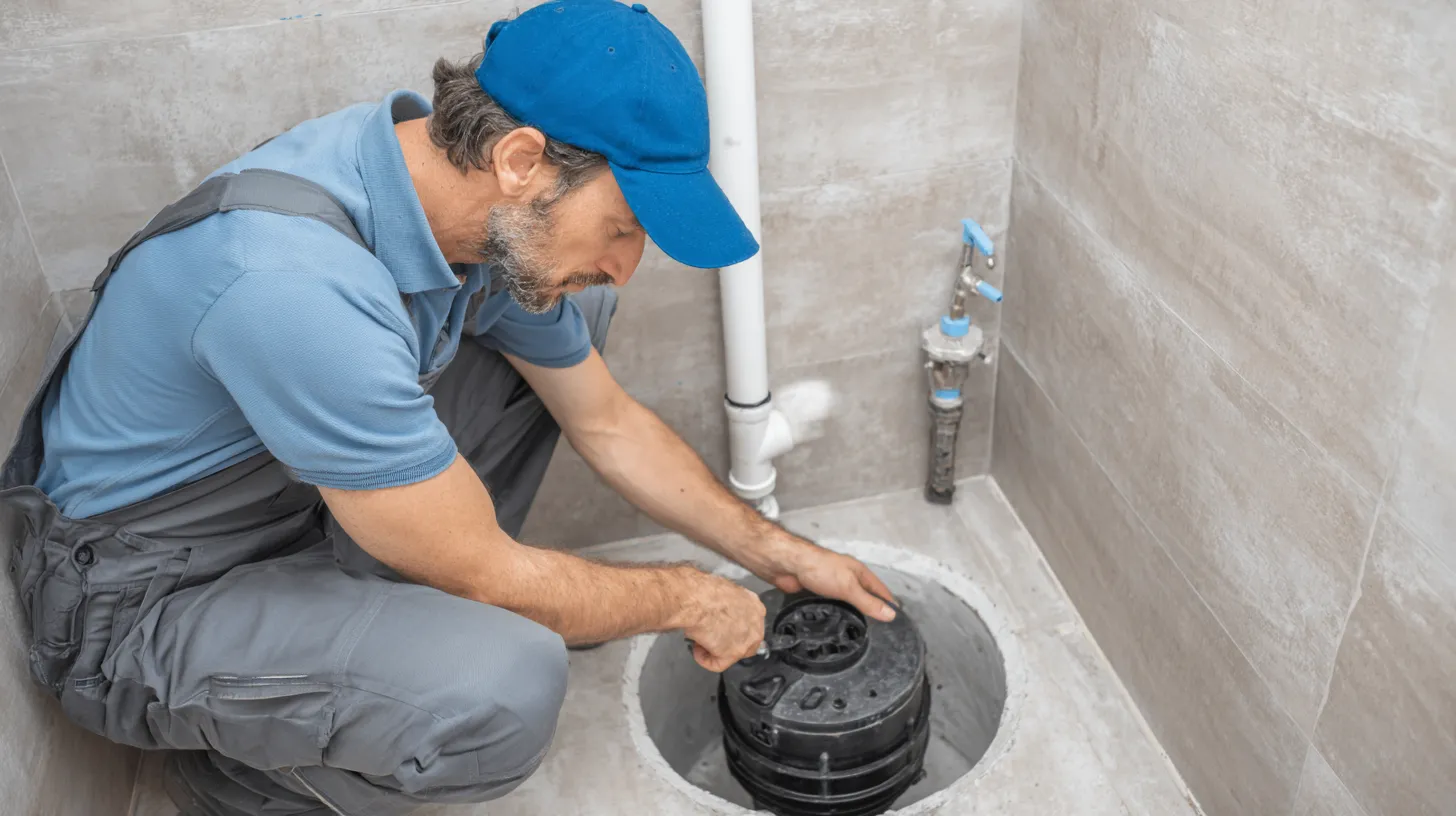
Sump pump repair and installation is the diagnosis, replacement and new placement of the electric or water-driven pump that lifts groundwater out of a basement pit and sends it away from the foundation. The work centers on five entities: the sump pump, the sump pit, the check valve, the discharge line and the backup sump pump. In Grand Rapids, Michigan, three local forces shape that work: a Grand River that crested at a record 21.85 feet in 2013, city programs that pay for sump pumps to pull footing-drain water out of the sanitary sewer, and municipal rules on where pumped water goes. Sump pump repair and installation in the Grand Rapids area starts with the pump and ends at the discharge outlet.
Types of Sump Pumps and Backup Systems
Sump pump type sets the noise, the service life, the cost and what keeps the pit draining when the power fails. Five configurations cover nearly every Grand Rapids basement:
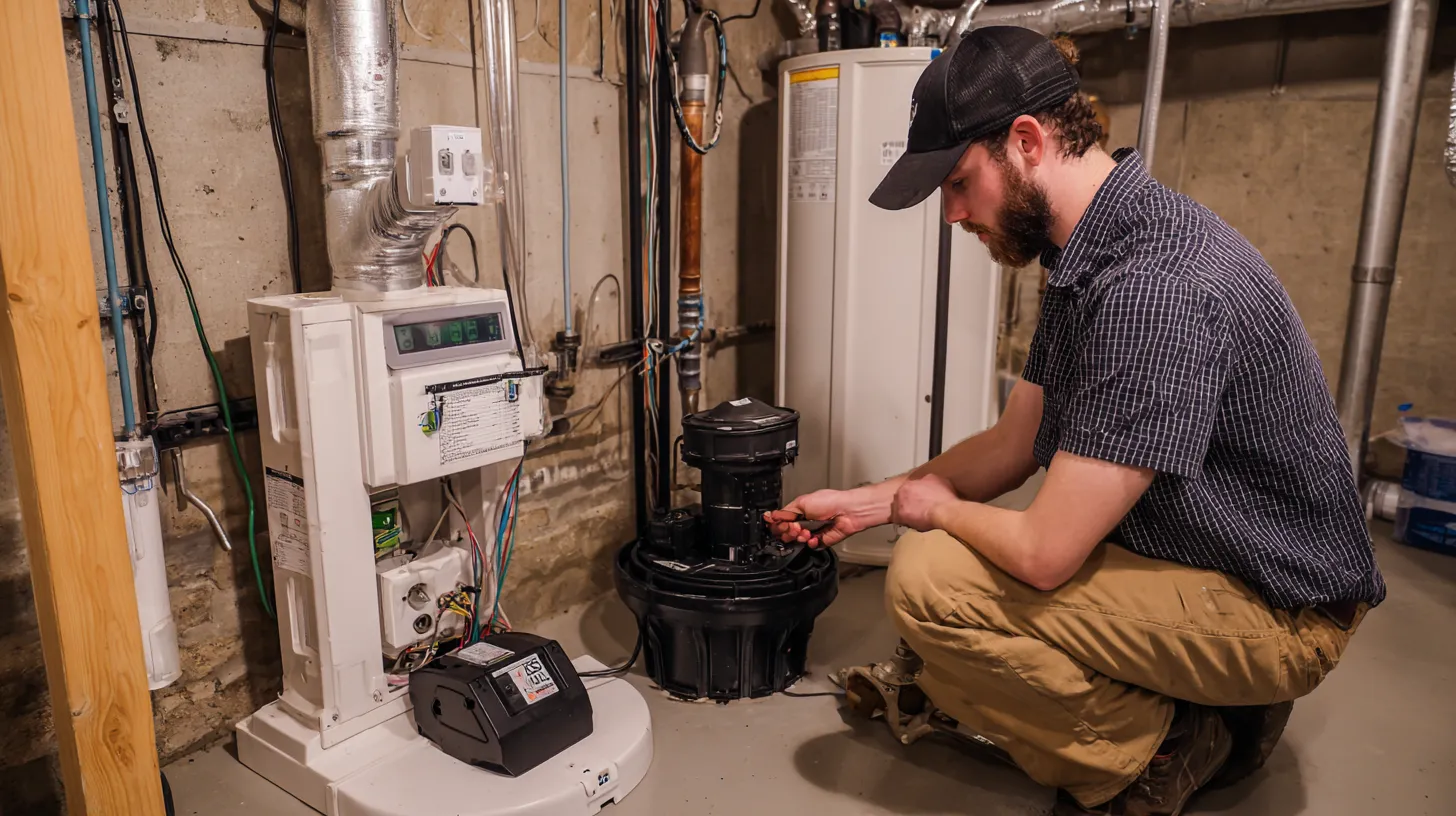
- Submersible sump pumps sit at the bottom of the pit with a sealed motor under water. InterNACHI, the home inspectors' association, describes them as much quieter than pedestal pumps and prices the hardware at up to $600.
- Pedestal sump pumps hold the motor on a column above the pit, out of the water. They run louder and cost $60–$200 for the pump (InterNACHI).
- Battery backup sump pumps add a 12-volt pump, usually mounted above the primary, that switches on when grid power fails or the primary stops.
- Water-powered backup sump pumps run on city water pressure with no electricity and no battery.
- Combination systems pair a primary pump with a backup on one discharge line and one control panel.
The backup choice decides how long the pit stays drained during a storm outage. Published specifications set the limits:
| Backup type | Power source | Published performance | Local rule or limit |
|---|---|---|---|
| Battery backup (1,000 gph model) | 12-volt battery | About 12 hours of continuous pumping on a 7.5-hour battery, about 6 hours on a smaller emergency battery; 1,000 gallons per hour at 10 feet of lift | Runtime ends when the battery drains |
| Water-powered backup (Zoeller Model 503) | Municipal water pressure, 40–80 psi | Up to 2 gallons removed per gallon of city water used; 12.7 gpm at 40 psi and 19.0 gpm at 60 psi at 10 feet of lift | A cross connection under Grand Rapids Water System rules; needs city water pressure |
Sources: Abt retail listing for the Basement Watchdog Emergency battery backup; Zoeller Home Guard Max technical data (2017); City of Grand Rapids Water System Rules and Regulations (January 2026).
A 2026 Michigan plumbing cost guide (askdoss.com) lists sump pump replacement at $500–$1,500, with an average of $900 and 2–4 hours of work. The same guide puts a standard submersible pump installed at $500–$1,200 and a pump with a battery backup system at $1,000–$2,000.
Sump Pump Failure Symptoms
Sump pump failure symptoms point to specific parts, and the pump's running pattern reveals most of them. Clear water rising from the sump pit points to groundwater and a failed submersible or pedestal pump; gray or dark water at the floor drain points to a sewer backup instead. Five patterns account for most sump calls:
- The pump does not start. A tripped breaker, a stuck float switch or a burned-out motor leaves the pit filling with no sound from the pump.
- The pump runs without stopping. Heavy groundwater inflow, a float switch stuck in the up position or a pump too small for the inflow keeps the motor running through dry weather.
- The pump short cycles. Water running back down the discharge pipe through a failed check valve, or a float set too tight, restarts the pump seconds after it stops.
- The motor hums without moving water. A jammed impeller or a clogged intake screen stops flow while the motor still draws power.
- The high-water alarm sounds. Water has risen past the pump's on-level, so inflow is beating the pump or the pump has stopped.
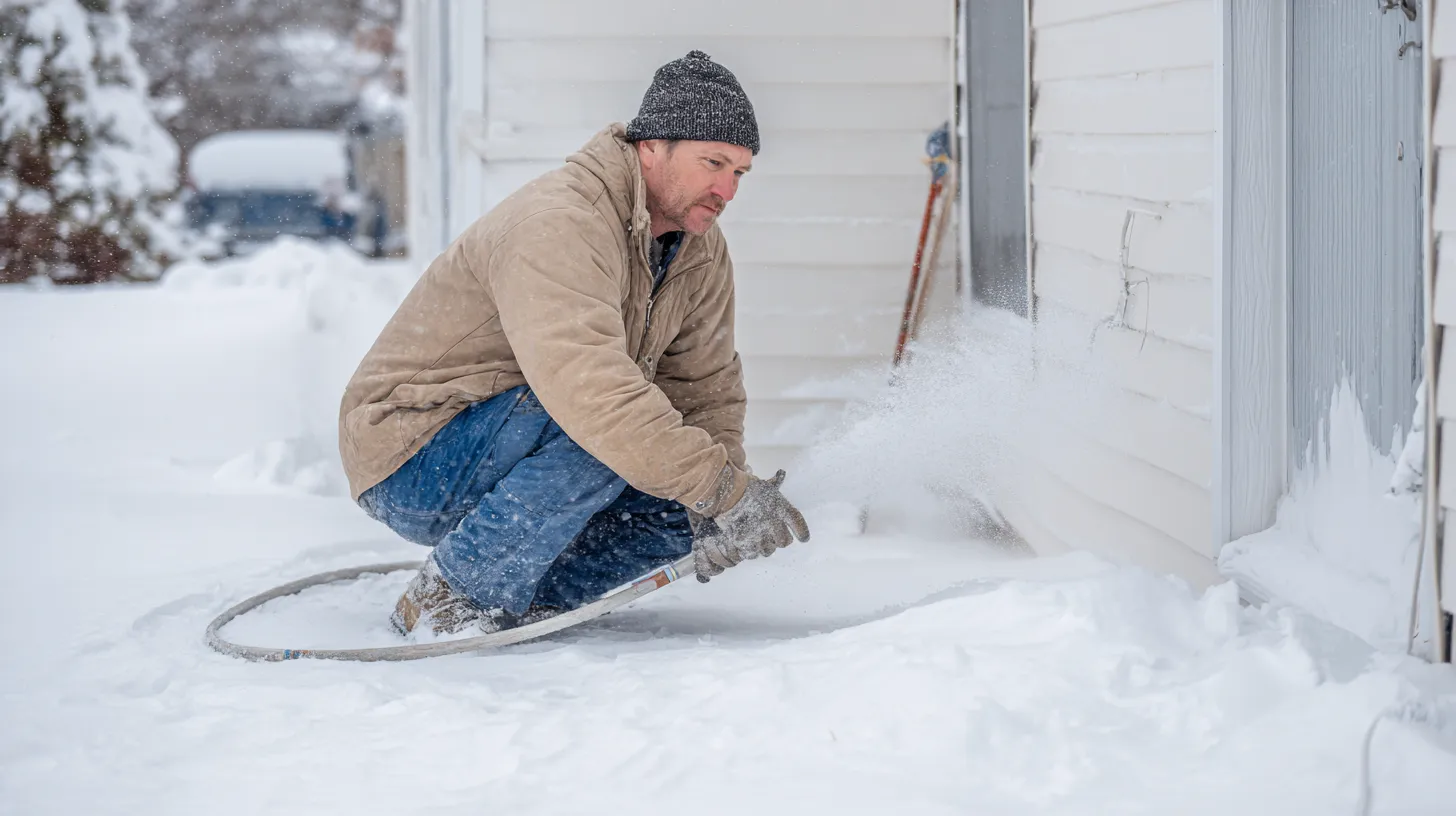
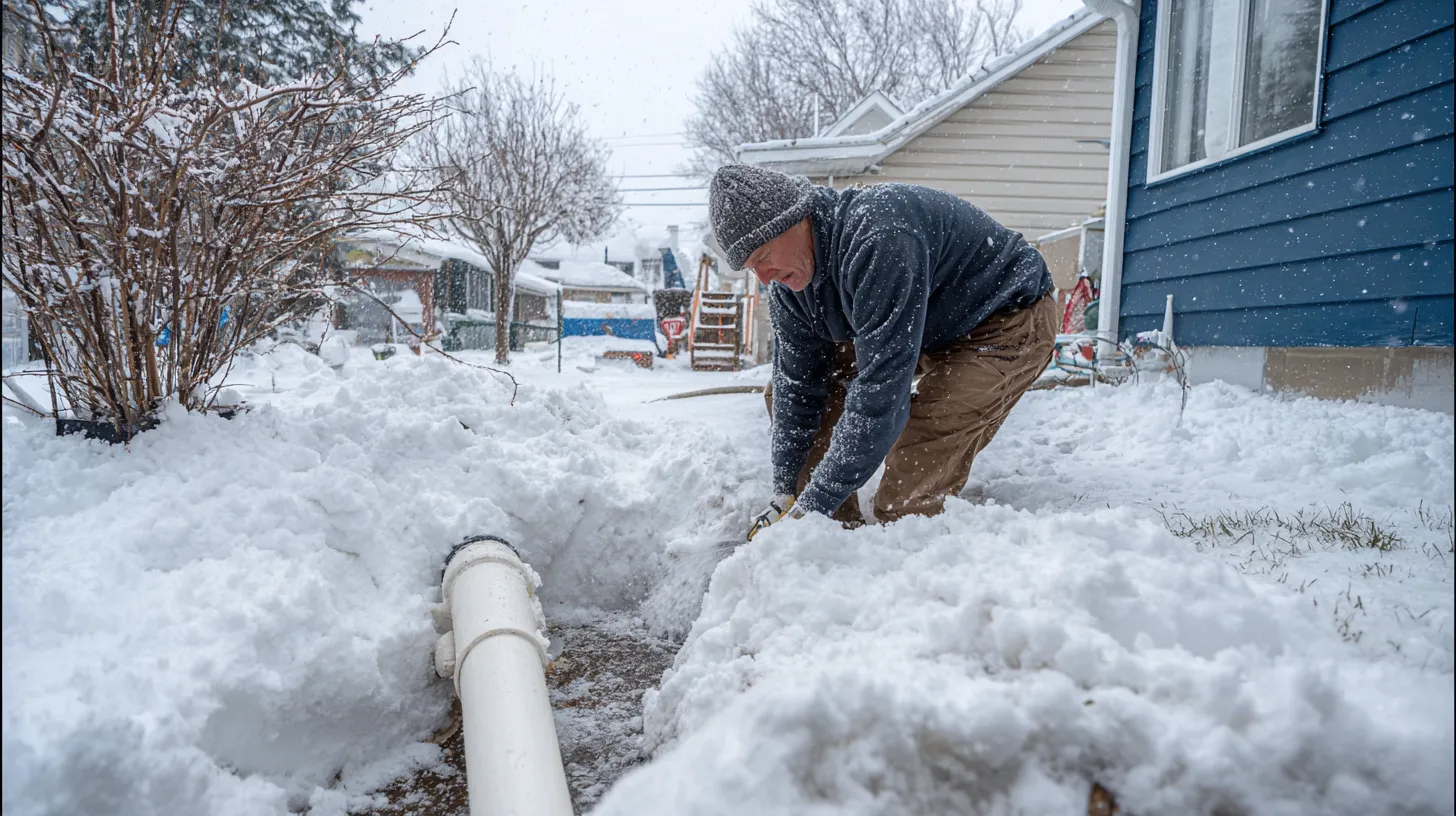
Grit compounds every pattern. One Grand Rapids plumber's sump page traces sand and fine gravel in local pits to glacial outwash in the Grand River valley; the grit wears impellers, clogs intake screens and holds check valves off their seats. A frozen or crushed discharge line outside adds a winter failure: the pump runs, but the water has nowhere to go.
Sump System Components
Sump system components work as a chain, and the weakest link sets the system's reliability. Five components carry most repairs:
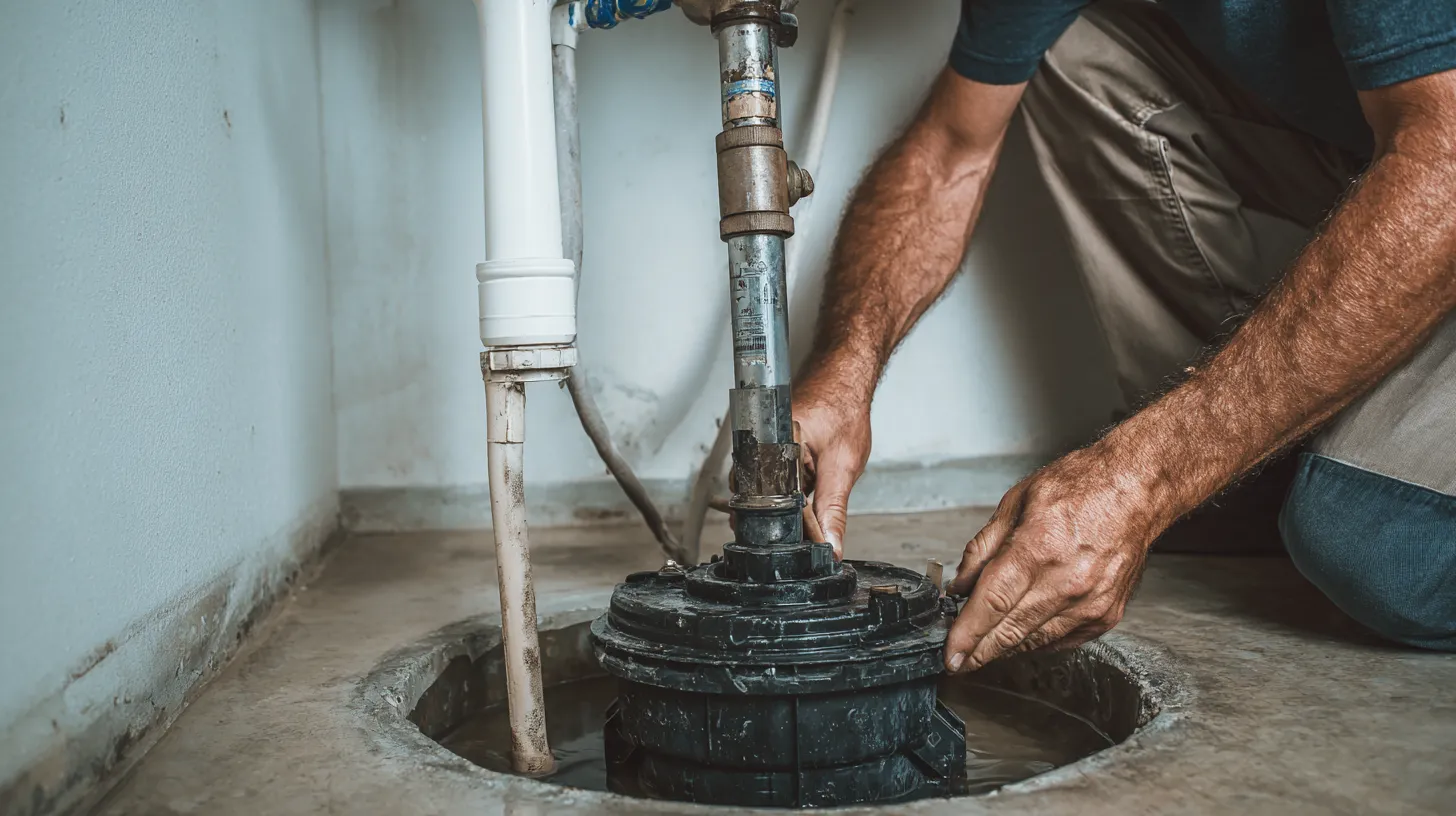
- Sump pit (basin): InterNACHI sets the minimum at 24 inches deep and 18 inches wide and calls a 5-gallon bucket insufficient. A sealed lid keeps debris out and, per the City of Grand Rapids, seals the basin against radon in its program installations.
- Float switch: The float rises with the water and closes the switch that starts the pump. A float tangled on the pit wall or the power cord leaves the pump idle.
- Check valve: The valve sits on the discharge pipe above the pump and stops pumped water from falling back into the pit. InterNACHI notes that without it, returning water doubles the pump's workload.
- Discharge line: The line carries water out of the house. InterNACHI sets the outlet at least 20 feet from the building, and the line never drains into a septic system.
- High-water alarm: A battery-powered alarm sounds when water climbs above the pump's on-level. InterNACHI lists alarms as optional and useful in unoccupied homes.
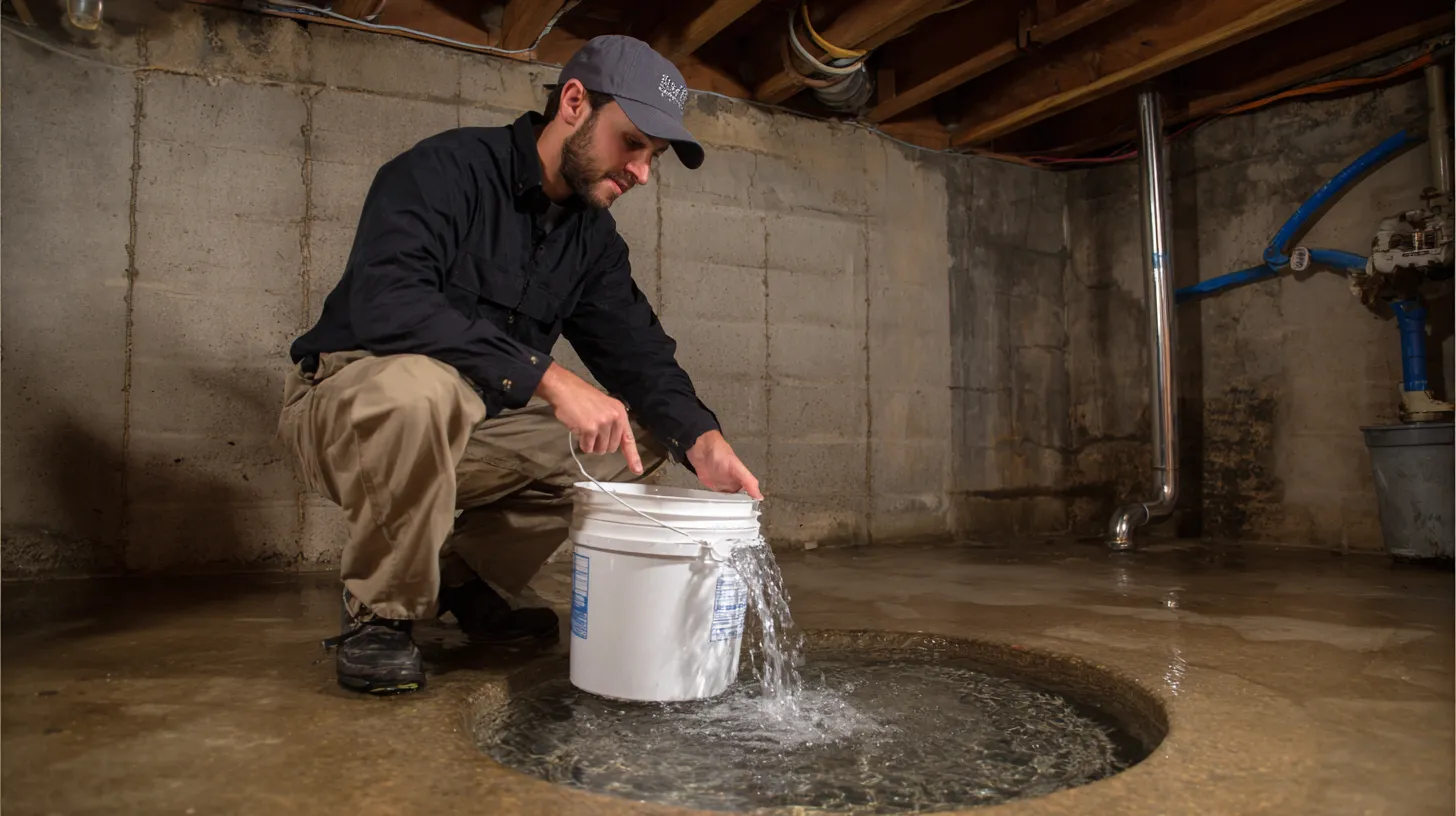
Testing ties the components together. A pour test fills the pit with water until the float lifts, then confirms the pump starts, empties the pit and shuts off cleanly with the check valve holding. InterNACHI warns against reaching into a pit and moves the float with a non-conductive object instead.
Grand Rapids Groundwater and Flood Conditions
Groundwater and river levels set how hard a Grand Rapids sump pump works. High river levels raise groundwater and push storm and sewer systems to capacity, which fills sump pits faster.
The National Weather Service sets flood stage on the Grand River at the Grand Rapids gauge (GDRM4) at 18 feet, moderate flooding at 21 feet and major flooding at 23 feet. The river crested at a record 21.85 feet on April 21, 2013, and at 20.67 feet on February 25, 2018 (NOAA). After 2013, Grand Rapids added flap gates on storm sewer outlets and raised parts of its floodwall by up to three feet, and updated FEMA digital flood maps replaced the 1982 paper maps in 2023.
Smaller waterways shape local pit inflow across the metro:
- Plaster Creek: A $2.04 million Grand Rapids mitigation project finished in 2009 moved more than 100 south-side homes out of FEMA flood zone A (FEMA), and the USGS has surveyed repeated flooding near Shaffer Avenue SE and 36th Street SE in Kentwood.
- Rogue River: Rockford keeps a separate storm sewer to the Rogue River and published a Flood Study Report in 2017.
- Thornapple River: Cascade Township sounds a siren of four short blasts to warn the Thornapple flood zone below Cascade Dam.
- Grand River at Lowell: City of Lowell planning documents note seasonal spring flooding in Grand River areas.
Spring thaw and long rain events keep inflow high for days, which is when a pump at the end of its service life fails.
Grand Rapids Sump Rules and Programs
Grand Rapids rules decide where a sump pump discharges, who pays for it and which permits apply. Five instruments govern sump work in and around the city:
- City Commission Policy 1000-22 offers financial help for backwater valves, footing and roof drain disconnection, and sump pumps with discharge piping to the lawn or storm sewer on eligible properties.
- The Footing Drain Disconnection Program (FDDP), adopted in September 2010 as Article 12 of Chapter 27 of the City Code, moves footing-drain water from the sanitary sewer to the storm sewer in targeted neighborhoods.
- The Grand Rapids Development Center lists sumps on its plumbing permit application, and installed work stays uncovered and unused until inspected.
- The Grand Rapids Water System Rules and Regulations (updated January 23, 2026) set a $100 Storm Service Line Inspection Permit and a $100 Footing Drain Lateral Inspection Permit inside city limits, $115 each outside, and govern cross connections.
- The City of Walker Stormwater Standards Manual sets the footing-drain standard for new plats.
The city's purpose statement in Policy 1000-22 names the goal directly: fewer basement sewer backups and less rainfall runoff and groundwater entering the sanitary sewer. A sump pump that sends footing-drain water to the lawn or storm sewer serves that goal; a pump piped into a laundry tub or floor drain works against it. East Grand Rapids follows the same logic and requires footing drains tied to the sanitary lateral to be disconnected before a sanitary backflow device goes in.
Grand Rapids Policy 1000-22 Funds Sump Pumps That Discharge to the Lawn or Storm Sewer
City Commission Policy 1000-22 pays up to 100% of the City contract price for sump pump installation and discharge piping from the pump to the lawn area or storm sewer, along with inspection, backwater valves and footing and roof drain disconnection. The city decides eligibility: a property qualifies after one or more sewer backups in the past 10 years caused by an overloaded sanitary sewer, or when it lies in an area that adds to downstream backups. A contractor retained by the City does the work, payments run first come, first served, and normal permits and fees apply. The owner signs a maintenance and release agreement and maintains the installed pump to the manufacturer's recommendations. The program covers retail customers across the Grand Rapids sanitary sewer service area; its release clause names Cascade Charter Township, Grand Rapids Charter Township, Kentwood, Tallmadge Township, Walker and Wright Township.
The Grand Rapids Footing Drain Disconnection Program Funds a Sump, a Sump Pump and a Backup Sump Pump
The Footing Drain Disconnection Program installs a complete sump system when it pulls a home's footing drains off the sanitary sewer. The city's program FAQ (January 2018) lists the work: disconnecting the footing drain, a check valve in backup-susceptible areas, a standard sump and sump pump, a backup sump pump, discharge piping to the stormwater system, sometimes through a new curb storm drain, and basic restoration of floors, walls and lawn. The same FAQ puts the work at 2–3 days and city coverage of reasonable expenses at up to $4,500, with some costs above that figure reviewed case by case. Owners choose a contractor from the approved list or do the work themselves with permits, reimbursed for materials only. After the work, the owner owns and maintains the pump and piping. The program targets backups from overloaded sewers; the FAQ states that it does not fix leaking walls or floors, poor site drainage or blocked footing drains.
Grand Rapids Water System Rules Prohibit Cross Connections That Lack the Backflow Device the Water System Specifies
A water-powered backup sump pump joins the city water supply to a pit of groundwater, and Grand Rapids Water System rules treat that kind of arrangement as a cross connection. Section 11 of the rules prohibits every cross connection unless the backflow prevention device specified by the Water System is installed, and it names submerged inlets into vessels holding non-potable water among the prohibited arrangements. Zoeller's own specification for its water-powered backup notes that some districts require a reduced pressure principle backflow preventer meeting ASSE 1013. Under Section 11.4, the customer installs, tests and maintains the device: testing runs annually, residential customers with a meter of 1 inch or less submit results every five years on notice, and only an ASSE 5110-certified tester signs off.
Walker Requires Footing Drains in New Plats to Discharge Through a Sump Pump With a Check Valve
The City of Walker's Stormwater Standards Manual writes the sump standard into the restrictive covenants of new plats and site condominiums. Footing-drain water discharges to the footing-drain lateral through a sump pump with a check valve system, or through a gravity system with a double flap gate valve for backflow prevention. Lots without a lateral discharge the water so it does not impact neighboring land or public streets. The manual keeps floor drains and laundry facilities off any footing-drain sump system, and it sends laundry and sewage lift pumps to the sanitary sewer. Walker buys its water and sewer service from Grand Rapids, so the same sanitary sewer benefits from that separation.
InterNACHI Lists a Sump Pump's Life Expectancy at 7 Years
InterNACHI's Standard Estimated Life Expectancy Chart puts a sump pump at 7 years, shorter than the 10 years it gives a sewer grinder pump and the 15 years it gives a well pump. The figure is an average, not a schedule. A pump that cycles every few minutes through a Grand Rapids spring thaw wears its motor, switch and impeller faster than one that runs a few times a month, and grit from a sandy pit shortens impeller life further. Pump age therefore becomes the first data point in a repair-or-replace decision: a stuck float on a 2-year-old pump gets freed or replaced, while a burned-out motor on an 8-year-old pump leads to a new pump and usually a new check valve.
Frequently Asked Questions
How Often Does A Sump Pump Need Testing?
InterNACHI calls for a sump pump inspection at least once a year and whenever a home sells, and some Grand Rapids plumbers publish a twice-yearly schedule, before spring thaw and in fall. The pour test fills the pit until the float lifts, then confirms the pump empties it and shuts off.
Where Does A Sump Pump Discharge In Grand Rapids?
Grand Rapids sends sump water to the lawn or the storm sewer. Policy 1000-22 funds discharge piping to the lawn area or storm sewer, and the Footing Drain Disconnection Program moves footing-drain water out of the sanitary sewer. InterNACHI sets the outlet at least 20 feet from the building. A storm lateral inside the city carries a $100 inspection permit.
How Long Does A Battery Backup Sump Pump Run?
Battery runtime depends on battery size and inflow. One retail listing for a 1,000-gallon-per-hour battery backup gives about 12 hours of continuous pumping on a 7.5-hour battery and about 6 hours on a smaller emergency battery. Intermittent pumping during lighter inflow stretches a charge across a longer outage.
Does A Water-Powered Backup Sump Pump Need A Backflow Preventer?
A water-powered backup needs the backflow device the Grand Rapids Water System specifies, because it connects city water to a pit of groundwater. Section 11 of the city's Water System rules prohibits cross connections without that device, and Zoeller notes that some districts require a reduced pressure principle preventer meeting ASSE 1013.
Why Does A Sump Pump Turn On And Off Every Few Seconds?
Rapid on-off cycling usually means pumped water is falling back into the pit through a failed check valve, or the float switch is set too tight or snagged. InterNACHI notes that returning water doubles the pump's workload, and the extra starts wear the motor and switch early.
Common Misconceptions About Sump Pumps in Grand Rapids
Misconception: A Sump Pump Can Drain Into The Laundry Tub Or Floor Drain
Laundry tubs and floor drains feed the sanitary sewer. Grand Rapids treats footing-drain water in the sanitary sewer as an improper stormwater inflow connection under its Footing Drain Disconnection Program, and Policy 1000-22 funds discharge to the lawn or storm sewer instead. Michigan's Public Act 222 also excludes backup claims caused by a sump connected to the sewer.
Misconception: A Sump Pump Runs For Decades Without Attention
InterNACHI's life expectancy chart lists a sump pump at 7 years. Grit, constant cycling and tangled floats shorten that figure. A yearly pour test, a clear intake screen and a working check valve keep a pump running through its full service life.
Misconception: A Battery Backup Keeps Pumping For The Whole Power Outage
A battery backup runs for a set number of hours, not for the length of an outage. One retail listing gives about 12 hours of continuous pumping on a 7.5-hour battery and about 6 hours on a smaller battery. A storm-long outage with heavy inflow drains the battery first, and the high-water alarm marks the moment.
Misconception: A Water-Powered Backup Works In Any Home With No Plumbing Rules
Water-powered backups run on municipal water pressure; Zoeller rates its Model 503 at 40–80 psi. A home on a private well loses that pressure when the power fails and the well pump stops. Grand Rapids Water System rules also treat the connection as a cross connection that needs the backflow device the Water System specifies.
Misconception: The Footing Drain Disconnection Program Is Optional And Free Of Consequences
Grand Rapids requires owners in targeted neighborhoods to take part, with 90 days to disconnect after notice. Owners who keep footing drains on the sanitary sewer pay a monthly non-participation charge set by the annual rate study. The city's 2018 FAQ lists reasonable disconnection expenses covered up to $4,500.
Ongoing Debates in Sump Pump Repair and Installation
Battery backup and water-powered backup sump pumps divide basement owners. A battery backup runs during a power outage without drawing on city water, but its runtime ends with the charge: about 12 hours of continuous pumping on one listed model. A water-powered backup runs without batteries but uses municipal water pressure, about one gallon of city water for every two gallons removed in Zoeller's specification, and it brings a backflow device with its own testing schedule. Storm patterns, water costs and battery maintenance decide which owners prefer.
Submersible and pedestal pumps divide owners choosing a replacement. Submersible pumps run quieter and sit sealed in a lidded pit, which suits finished basements. Pedestal pumps cost less, $60–$200 against up to $600 for submersible models in InterNACHI's figures, and keep the motor dry and within reach for service. Pit size and noise tolerance settle most choices.
GFCI protection on the sump circuit divides inspectors. InterNACHI notes that codes call for ground-fault protection in basements and crawl spaces, which guards against shock around water, and it reports that many inspectors still flag the tradeoff: a nuisance trip shuts the pump off silently, sometimes during the storm it exists for. A high-water alarm on a separate power source answers part of that concern.
Replacement timing divides owners and plumbers. InterNACHI's chart puts sump pump life at 7 years, and replacing near that age moves the failure from a storm night to a scheduled visit. Some Grand Rapids plumbers cite about 10 years and replace only when symptoms appear, which uses the full life of each pump. Pump age, cycle frequency and the cost of a flooded finished basement weigh on each side.
The Footing Drain Disconnection Program divides owners in targeted neighborhoods. The city frames it as a community solution: groundwater in the sanitary sewer overloads the system, causes backups in lower-lying homes and raises treatment costs for every sewer user. Owners whose basements stay dry question the disruption of a new pit, pump and discharge line, and the program lets them keep footing drains on the sanitary sewer in exchange for a monthly non-participation charge.
Components of a Grand Rapids Sump Pump System
Every sump pump repair works through the same set of parts. The sump pit is a component of the basement groundwater drainage system; it collects water from the footing drains around the foundation, and InterNACHI sets its minimum at 24 inches deep and 18 inches wide. The float switch is a component of the sump pump; it rises with the water and starts the motor, and a snagged float leaves the pit filling. The check valve is a component of the sump pump discharge line; it holds pumped water in the pipe, so the pump empties the pit once instead of twice. The impeller is a component of the sump pump motor assembly; it spins water up the discharge pipe, and sand from local pits wears and jams it. The backup pump is a component of a two-pump sump system; on battery or on city water pressure, it carries the pit through a power outage or a primary failure. A plumber finds which part failed before choosing between a part repair and a new pump.
Summary
Sump pump repair and installation in Grand Rapids covers five areas: pump and backup types, failure symptoms, system components, local groundwater and flood conditions, and the city rules and programs that govern discharge. Grand River crests of 21.85 feet in 2013 and 20.67 feet in 2018 show how high local water runs, and InterNACHI puts sump pump life at 7 years. Grand Rapids pays for sump pumps that discharge to the lawn or storm sewer under Policy 1000-22 and its Footing Drain Disconnection Program. Sump pump repair and installation in the Grand Rapids area starts with the failed part and ends with water leaving the property at the lawn or the storm sewer.