
Water Damage Insurance Checklist
Work through safety, shutoff, photos, drying and the insurance call in order, tick each step as you go, and print the call log and photo list for the claim file.
Reviewed October 24, 2026 · Free to use · Bookmark it for next time
- 877-999-6442Michigan DIFS consumer line, Mon–Fri 8–5
- 48 hoursfor an NFIP adjuster to contact you after a flood claim (FEMA)
- 60 daysto send NFIP flood claim documents, unless your insurer sets another timeframe
- 30 daystypical wait before a new NFIP flood policy takes effect
The Checklist: First Hours to First Week
Tick each step as you finish it. Ticks stay in this browser, so the list is ready when you come back after a call or a night's sleep. Print it for the claim file.
Gas smell? Leave the house now and call 911 or the gas utility from outside. Water near outlets, cords or the electrical panel? Stay out of the water and call the electric utility or an electrician to cut the power.
1Safety First
2Stop the Water
3Document Before Cleanup
4Prevent Further Damage
5Call the Insurer and Keep the Record
Why the First Hours Matter for a Claim

A claim rests on two things you control in the first hours: proof of what the water damaged and proof that you limited further damage. Michigan DIFS tells owners to protect the property, document the loss with photos or video and keep damaged items until the insurer says otherwise.
The Insurance Information Institute adds the other side: owners are responsible for maintaining the home, and a policy does not pay for damage from lack of maintenance or for mold.
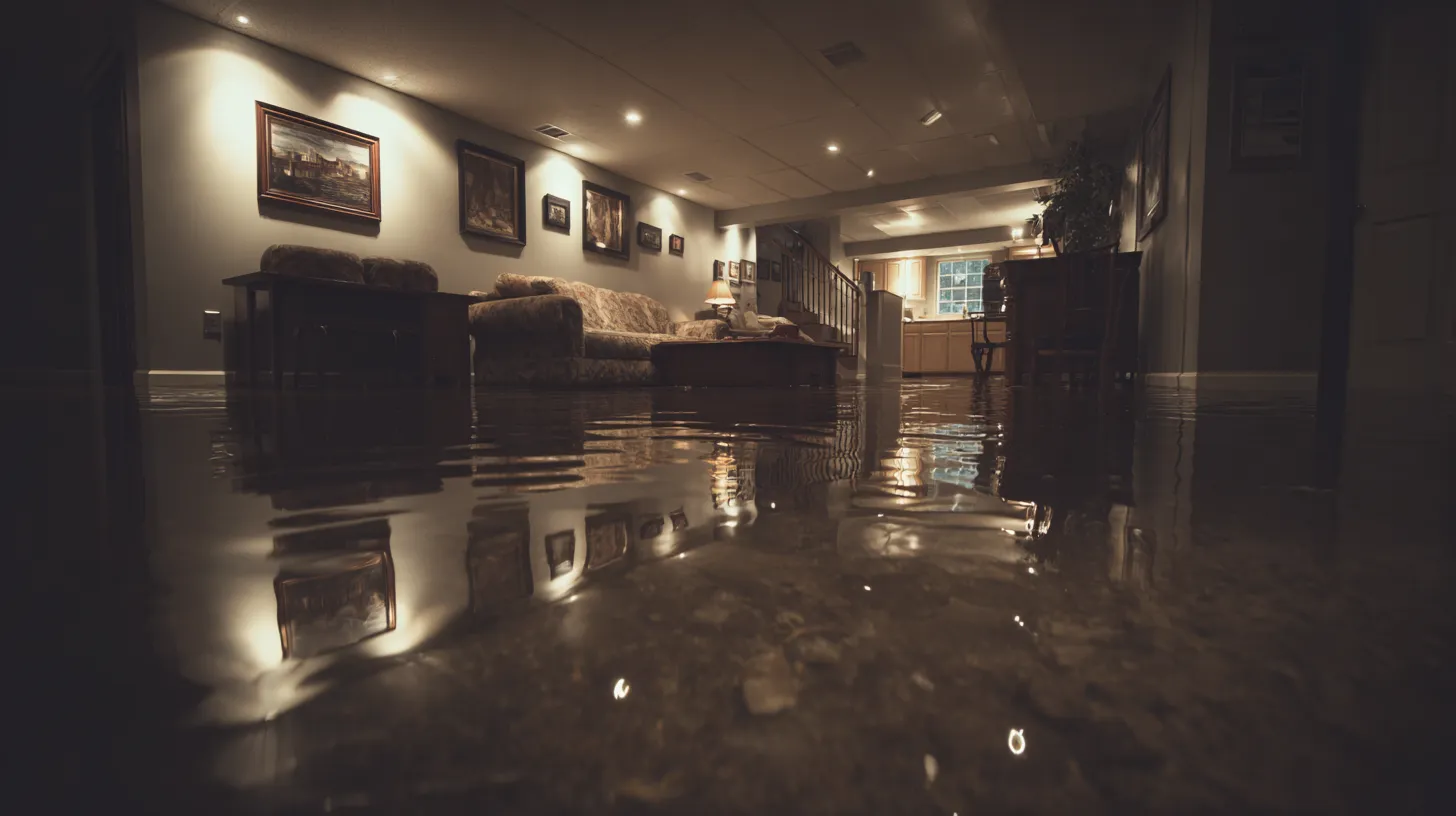
Photos Before Pumping
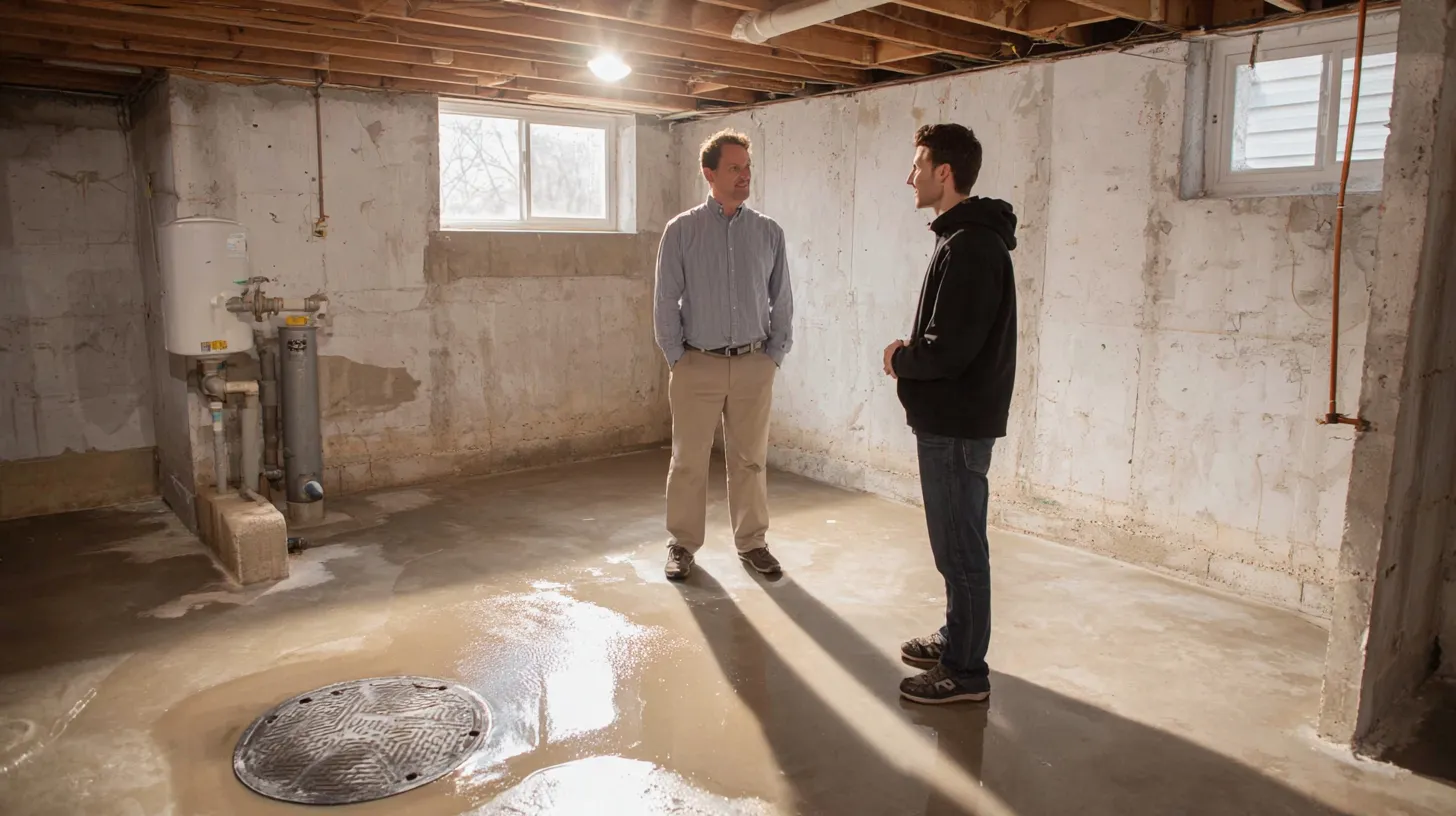
Water lines on walls show depth. FEMA asks for them inside and outside the building, from several angles.
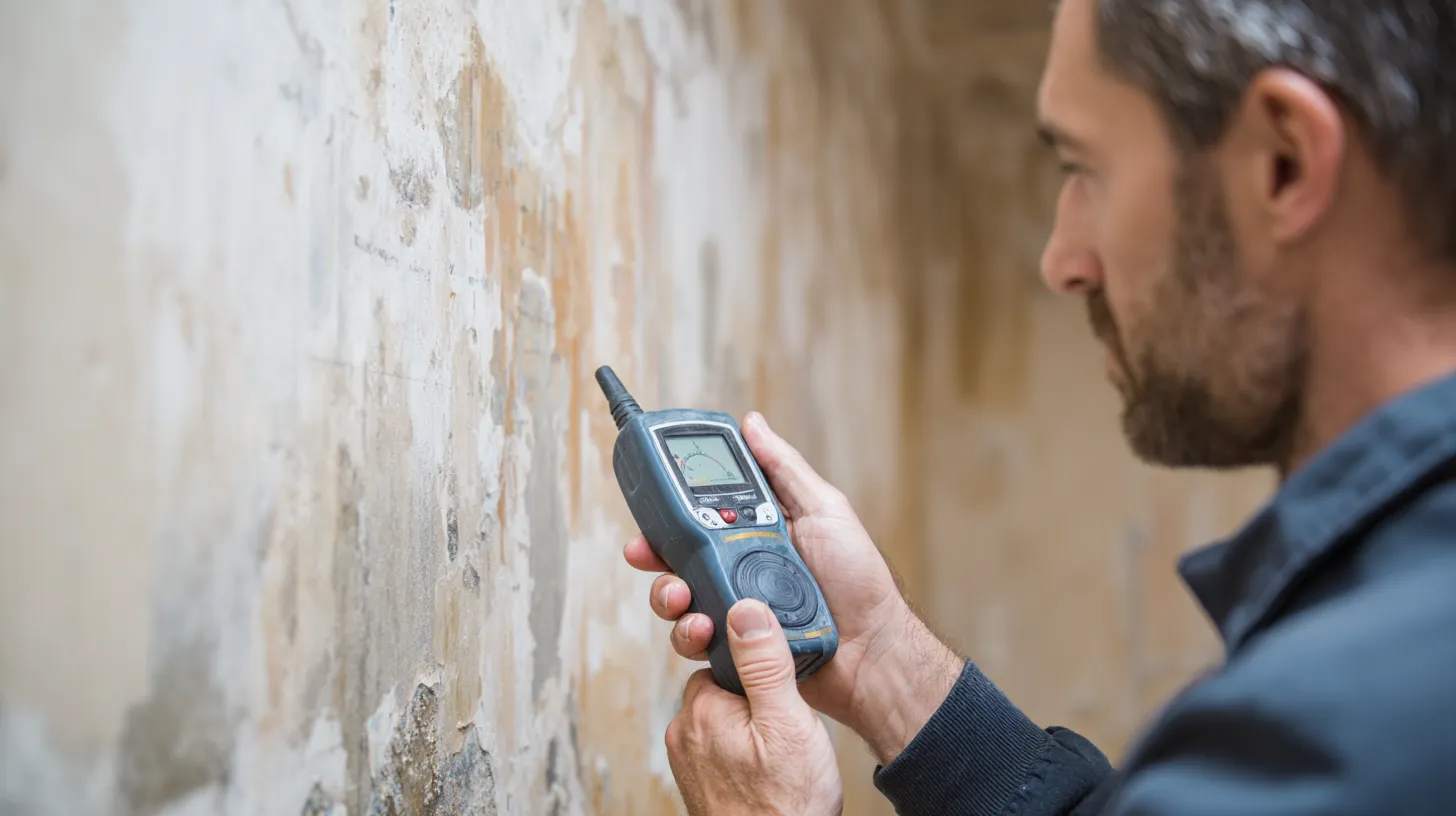
Wet Walls Hide Damage
Drywall and framing hold water after the floor dries. Photograph stains and note readings from any moisture check.
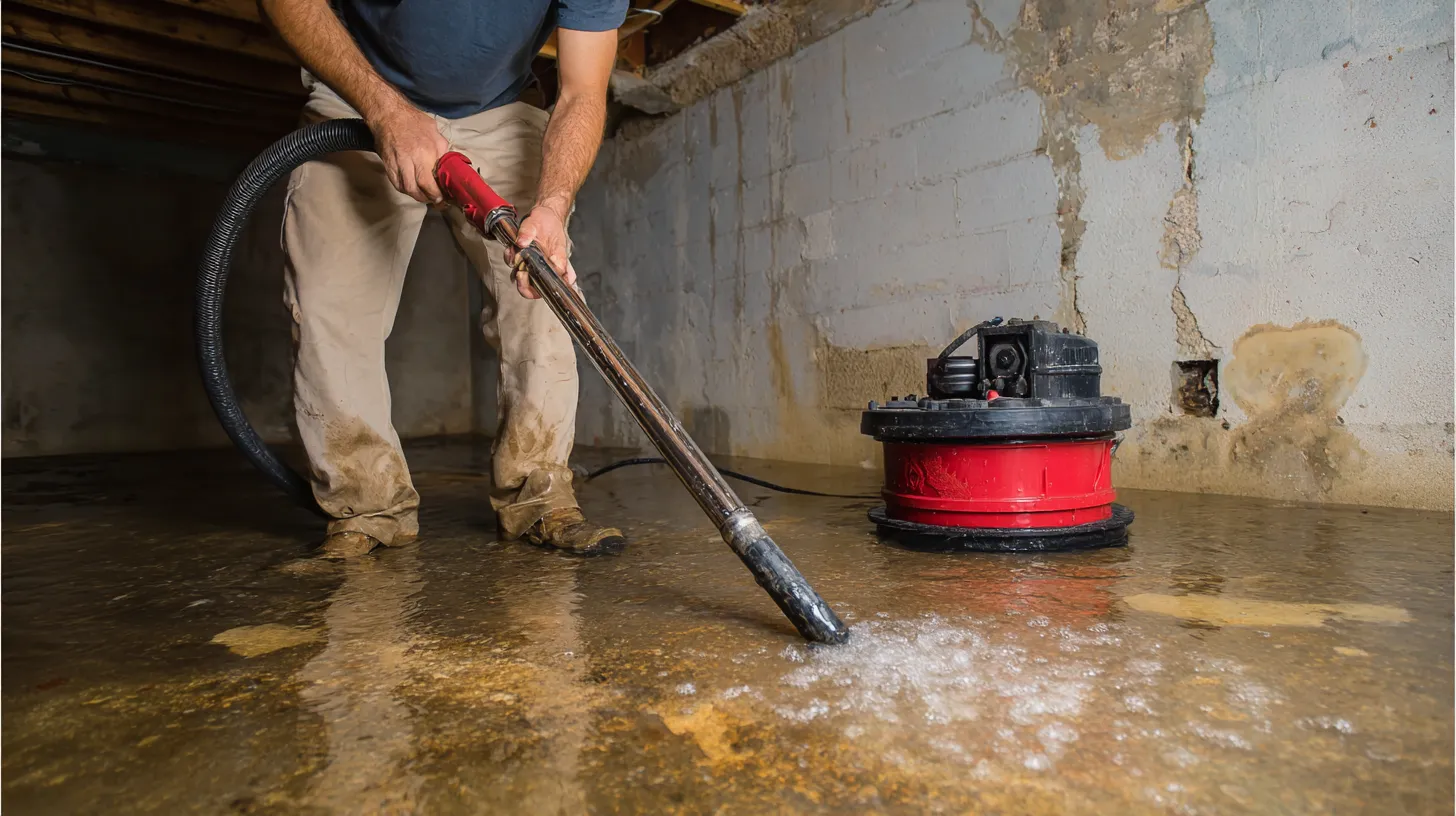
Receipts for Every Supply
Wet vac rentals, fans, tarps and buckets bought to protect the property go in the receipt folder, per Michigan DIFS.
Printable Call and Contact Log
FEMA's claims checklist asks policyholders to log every conversation with the insurer, adjuster, contractors and cleaners. Print this page and fill in a row for each call, email or visit.
| Date and time | Who (company, name, role) | Phone or email | Claim or job number | What was said, next step, deadline |
|---|---|---|---|---|
- Policy #____________________
- Claim #____________________
- Adjuster____________________
- Date of loss____________________
Room-by-Room Photo Checklist
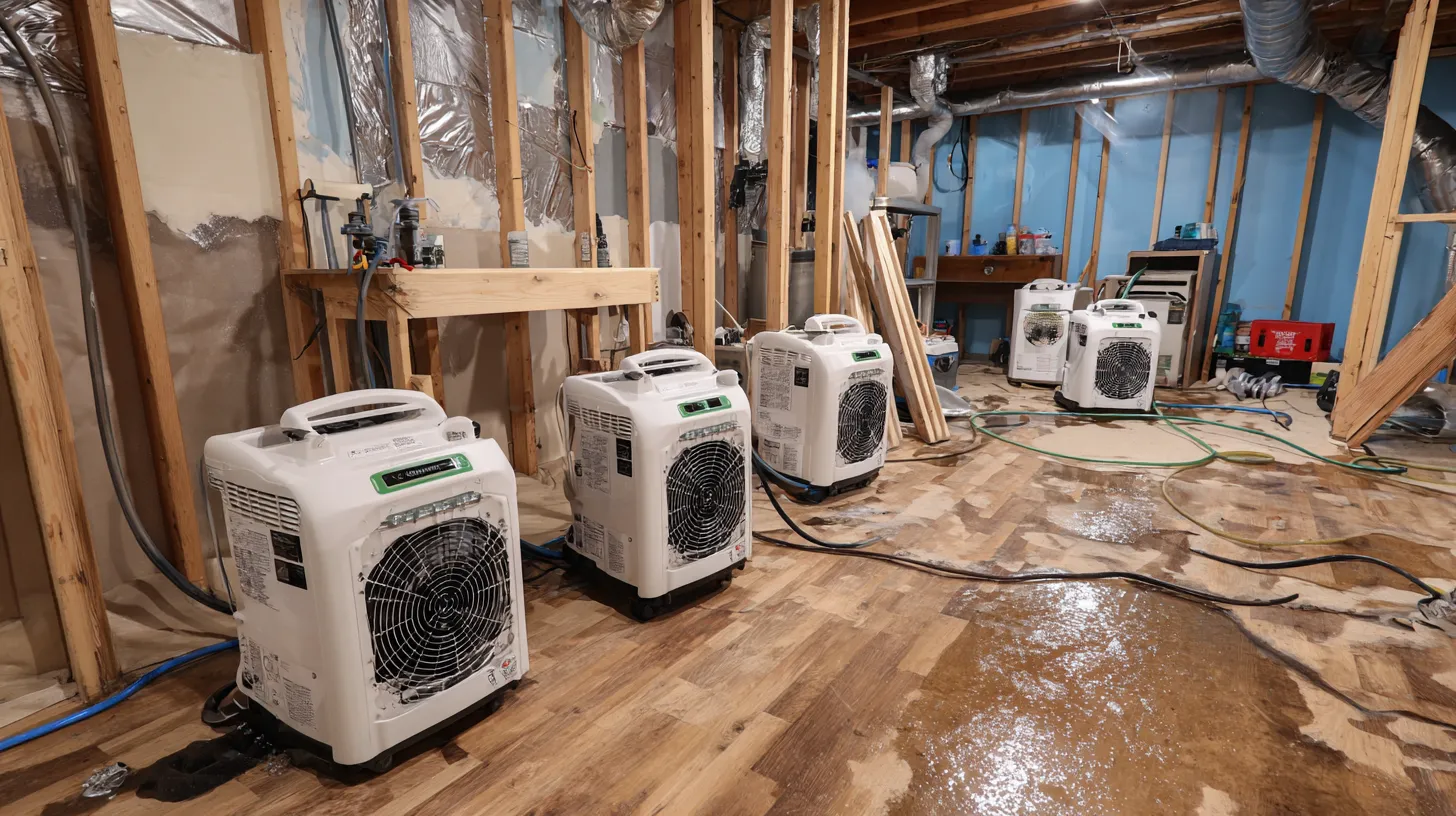
Walk the house in the same order every time and photograph each room wide first, then close up. FEMA's flood checklist asks for the exterior and interior, signs of structural damage, water lines and the make, model and serial number of appliances.
Tick each shot below; the list saves in this browser.
Sewer Backup, Flood or Burst Pipe: What Official Sources Say Generally
Insurance treats water by its source. The table below summarizes general descriptions from the Insurance Information Institute, FEMA and Michigan DIFS; your own policy's wording decides every claim.
| Source of water | What official sources say in general | Ask your insurer |
|---|---|---|
| Sudden pipe burst or appliance leak | Triple-I lists sudden and accidental discharge of water from plumbing, heating and air conditioning systems and household appliances as a covered peril on most homeowners forms, though not the basic HO-1 form. Freezing of plumbing appears with conditions. | Which form is my policy? Does it set conditions for frozen pipes or long-running leaks? |
| Sewer or drain backup | Triple-I states sewer backups are not covered under a typical homeowners policy, nor by flood insurance; coverage comes as an endorsement or a separate product. Michigan DIFS notes water and sewer backup is not automatically covered. | Do I have a sewer or water backup endorsement, and what is its limit? |
| Flood (surface or river water) | Triple-I states flood damage is excluded under standard homeowners and renters policies; separate flood insurance comes from the NFIP and some private insurers. FEMA notes a typical 30-day wait before a new NFIP policy takes effect. | Do I carry building coverage, contents coverage or both? What does the policy cover in a basement? |
| Slow leak, wear or mold | Triple-I states a policy does not cover damage due to lack of maintenance or mold, and that owners are responsible for maintaining the home. | How does my policy treat seepage or damage that built up over time? |

Nothing on this page predicts coverage. The same storm can push water into one basement through a floor drain and into another through a window well, and policies name and limit those sources differently. Read your policy's declarations page and exclusions, and ask your agent to explain them in writing.
Michigan DIFS advises describing water damage to the insurer and asking what coverage applies, since the word "flood" carries a specific meaning in many policies.
Michigan and Grand Rapids Help
Michigan DIFS
The Department of Insurance and Financial Services helps when a claim stalls. Try your insurer or agent first, then call 877-999-6442 (Mon–Fri, 8 a.m.–5 p.m.) or file at Michigan.gov/DIFScomplaints.
DIFS Consumer Guides
Your Guide to Homeowners Insurance and the DIFS disaster preparedness page explain policies, claims and complaints in plain language.
FEMA NFIP
NFIP policyholders follow the FEMA claims checklist: adjuster contact within 48 hours, Flood Control Number card at the visit, documents within 60 days unless the insurer sets another timeframe, and appeals within 60 days of a denial letter.
Grand Rapids Claims
The City of Grand Rapids takes sewer backup damage claims in writing within 45 days. Policy 1000-22 helps pay for backwater valves, footing drain disconnection and sump pumps when an overloaded city sewer caused a backup in the past 10 years.
Grand Rapids Water System
Breaks on the city side of the meter go to the Water System's 24-hour emergency line through Customer Service, or 311 inside city limits (616-456-3000).
Storm-Chaser Fraud
Michigan DIFS warns that people posing as adjusters and contractors go door-to-door after storms. Call your insurer before signing anything.
When water is still coming in, the flooded basement repair page covers finding and stopping the source.
Common Questions
Does homeowners insurance cover water damage in Michigan?
It depends on the cause and on your own policy. The Insurance Information Institute lists sudden, accidental discharge from plumbing and appliances as a covered peril on most homeowners forms, while flood and sewer backup are excluded from a typical policy. Michigan DIFS says some water causes, such as sewer backup or a failed sump pump, are covered under some policies, so read your policy and ask your insurer.
Can I clean up before the adjuster comes?
Protect the property from further damage, but photograph everything first and keep the damaged items. Michigan DIFS asks owners to keep damaged items until the insurer says otherwise, and FEMA's flood checklist says to keep samples of carpet or flooring when health hazards force disposal. Ask your insurer which cleaning costs the policy pays before you hire anyone.
Is a sewer backup the same as a flood for insurance?
No. The Insurance Information Institute treats them as separate: a typical homeowners policy excludes sewer backup, and flood insurance does not cover it either; sewer backup coverage is sold as an endorsement or separate product. Flood coverage comes from a separate NFIP or private flood policy. Describe what happened and let the insurer apply the policy terms.
Who do I call in Michigan if my insurer won't respond?
Try to resolve it with your insurer or agent first, then contact the Michigan Department of Insurance and Financial Services at 877-999-6442, Monday through Friday, 8 a.m. to 5 p.m., or file a complaint online at Michigan.gov/DIFScomplaints.
Does Grand Rapids pay for sewer backup damage?
Only through its own claim process. The City of Grand Rapids takes damage claims for a backup in writing within 45 days, and City Commission Policy 1000-22 helps pay for backwater valves, footing drain disconnection and sump pumps when an overloaded city sewer caused a backup in the past 10 years; the city decides eligibility.
Sources and How This Tool Works
Steps come from the Michigan Department of Insurance and Financial Services (DIFS) consumer tips, FEMA's January 2026 NFIP Flood Insurance Claims Checklist and the Insurance Information Institute (Triple-I). Ticks save in this browser only; nothing you tick or type leaves your device.
- Michigan DIFS — Disaster Preparedness (insurance help after a loss)
- Michigan DIFS — File a complaint (Office of Consumer Services)
- Michigan DIFS — Your Guide to Homeowners Insurance (PDF)
- Michigan DIFS — Insurance tips following statewide flooding and severe weather, April 2026
- Michigan DIFS — Insurance tips following severe weather, March 2026
- FEMA NFIP — Flood Insurance Claims Checklist for Policyholders (January 2026)
- FEMA NFIP — Start a Flood Claim
- FEMA — Flood Insurance (30-day waiting period)
- Insurance Information Institute — Which disasters are covered by homeowners insurance?
- Insurance Information Institute — Protect your house from sewer backups
- City of Grand Rapids — Water System (24-hour emergency line, 311)
General information for Grand Rapids-area properties, reviewed October 24, 2026. Rules, rates and programs change; the linked source's current version controls. This checklist is general information, not insurance or legal advice. Coverage depends on your own policy's wording; read your policy and ask your insurer or agent, and contact Michigan DIFS with questions about how a claim is handled.
Water, sewage or gas where it doesn't belong? Grand Rapids Michigan Plumber answers 24/7.
Request Service Call (616) 345-5690