Flooded Basement Repair in Grand Rapids: The Complete Guide
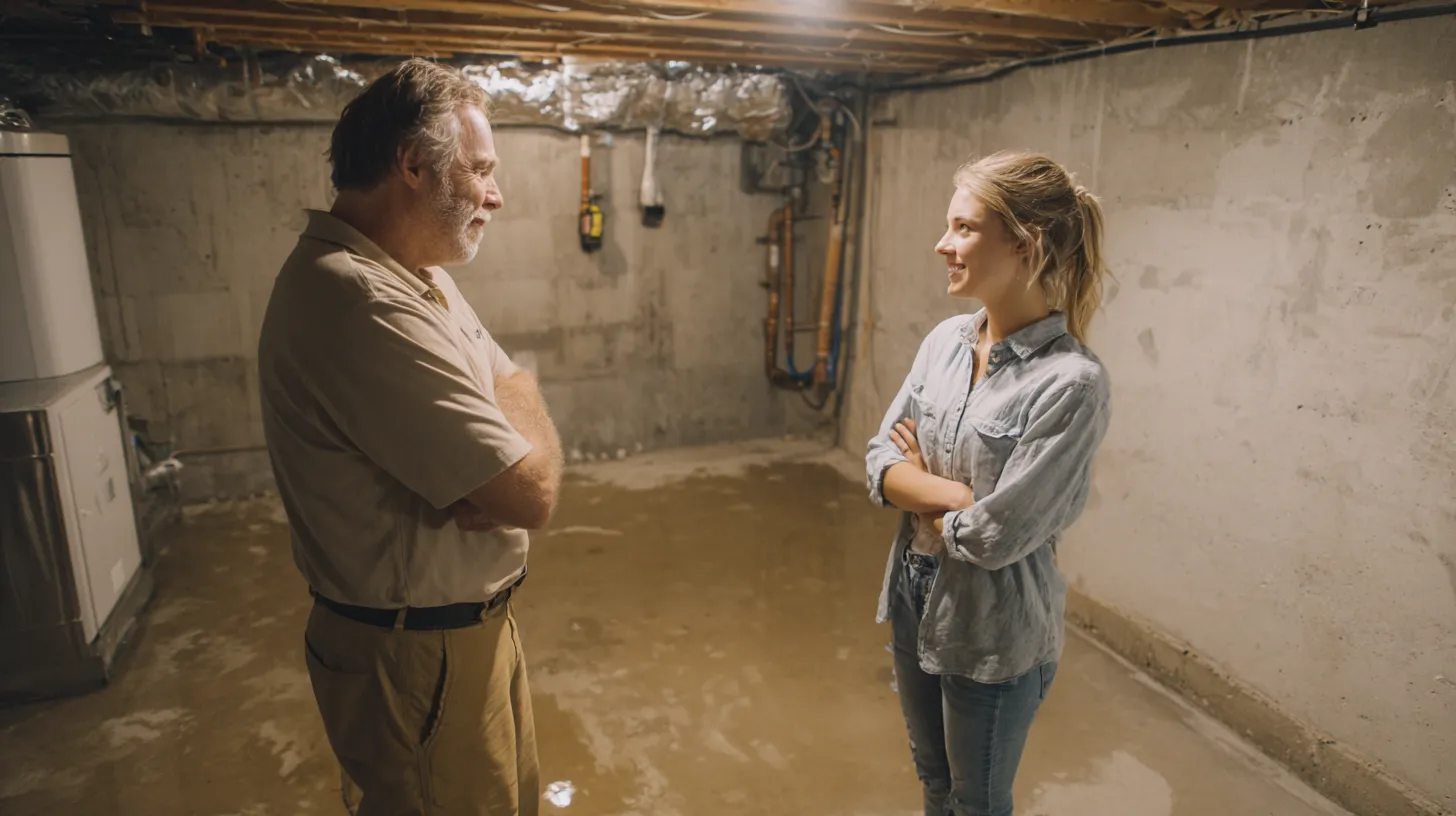
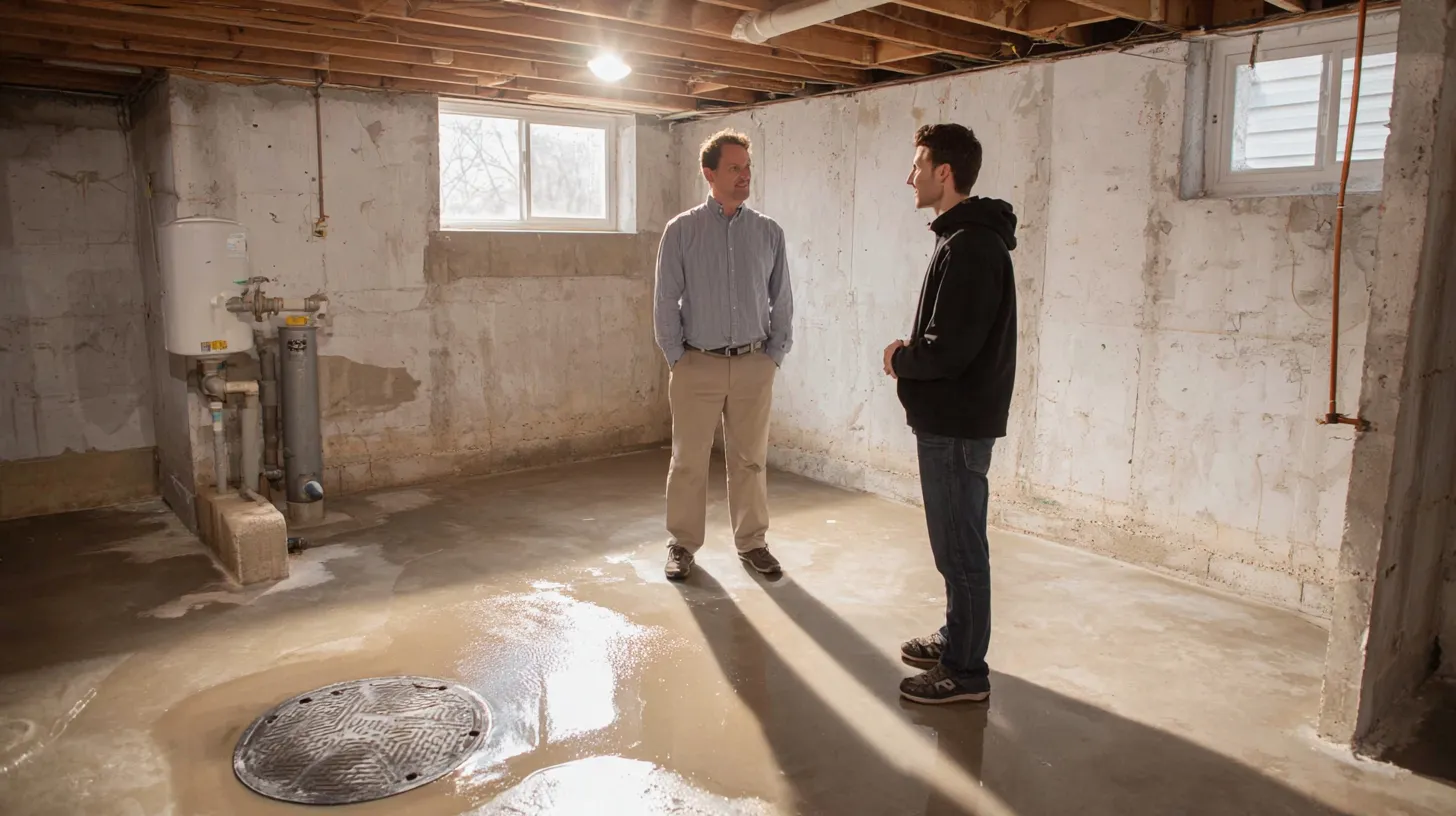
Flooded basement repair is the plumbing work that finds where water is entering a basement, stops that source and repairs the failed pipe, pump, drain line or water heater. It sits between emergency plumbing and basement water management. In Grand Rapids, Michigan, the work centers on five entities: the flooded basement itself, the sump pit that collects groundwater, the floor drain that connects to the sanitary sewer, the main water shutoff valve and the electrical panel. Three sources fill most basements: groundwater, sewage and supply water. Flooded basement repair in the Grand Rapids area starts with naming the source, because the source decides the fix, the trade and the claim.
Water Sources in a Flooded Basement
Water sources in a flooded basement fall into five groups, and each one leaves a different signature. The five are groundwater through the sump pit, a sewer backup at the floor drain, a burst or leaking supply line, a failed water heater or appliance hose, and seepage at the wall-floor joint or a window well.
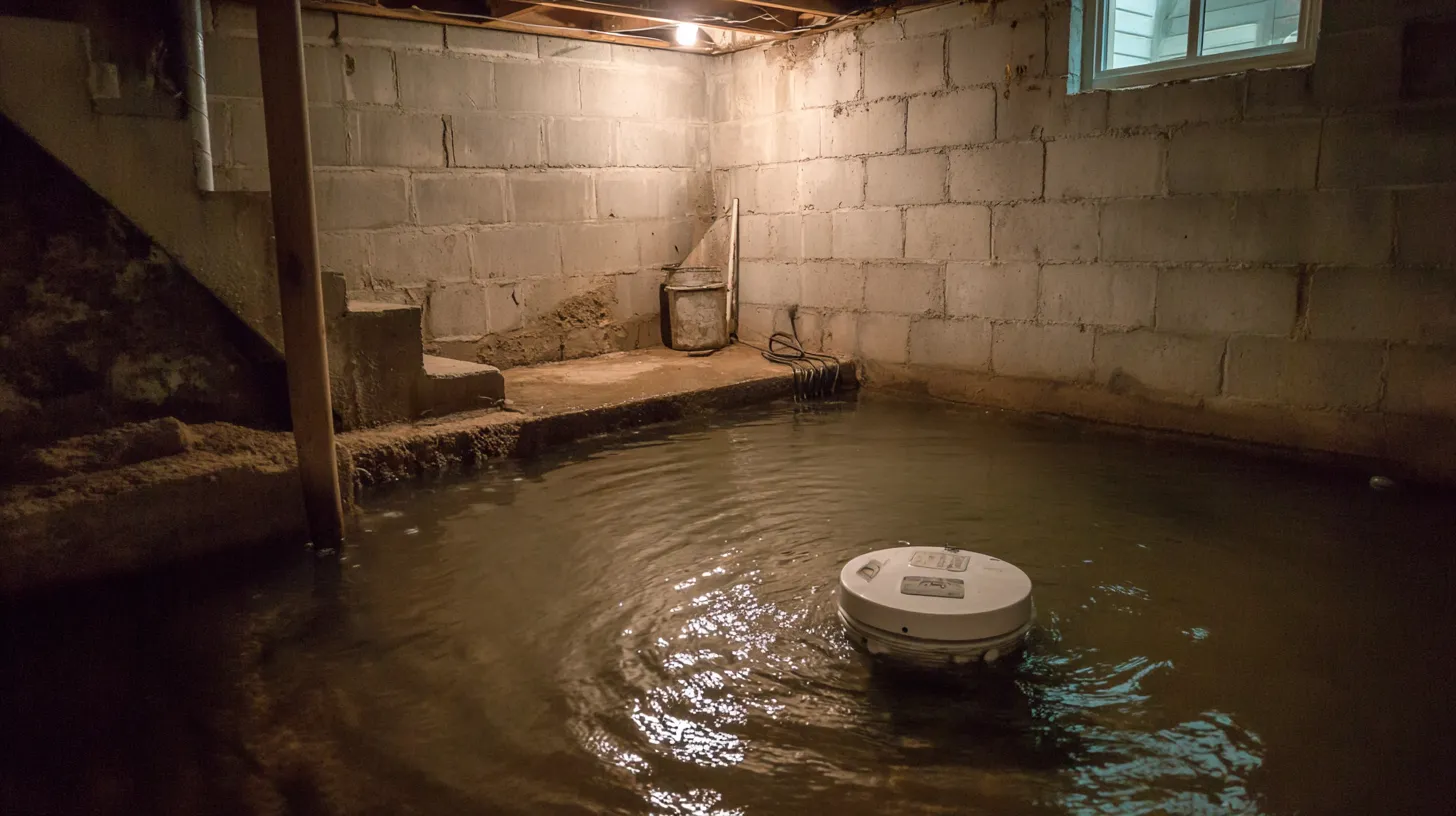
Color and odor give the first answer. Michigan municipal guidance from the City of Ann Arbor describes sanitary sewer backup water as grayish with an odor, and storm or groundwater flooding as typically clear and odor-free. The entry point gives the second answer. The main shutoff valve gives the third: water that stops rising once the main valve closes comes from the supply side.
| Source | What it looks like | Where it enters | Stops when the main valve closes | Plumbing fix |
|---|---|---|---|---|
| Groundwater | Clear, odor-free | Sump pit rim, wall-floor joint | No | Sump pump repair, replacement or backup |
| Sewer backup | Gray, with an odor | Floor drain, lowest toilet or shower | No | Main line clearing, backwater valve |
| Supply line | Clean water, often spraying or dripping | Ceiling joists, walls, fixture connections | Yes | Pipe repair |
| Water heater or appliance hose | Clean or rusty water | Tank base, washer hose | Yes, or at the heater's inlet valve | Valve shutoff, heater repair or replacement |
| Surface seepage | Clear to muddy | Window well, wall cracks, cove joint | No | Grading or waterproofing (non-plumbing) |
Rain timing narrows the list further. Groundwater and seepage follow heavy rain and spring snowmelt. A sewer backup during a storm points to an overloaded sewer; a sewer backup on a dry day points to a blockage in the building's own lateral. A supply line leak keeps no schedule at all.
Grand Rapids housing age shapes which sources appear. The U.S. Census Bureau's American Community Survey (2020–2024) places 37.5% of Grand Rapids homes before 1940, with a median build year of 1953. Older basements carry clay or cast iron drain lines, block or stone foundation walls and, in many cases, footing drains tied into the sanitary lateral.
Electrical and Safety Hazards in a Flooded Basement
Electrical and safety hazards decide whether anyone enters a flooded basement at all, so they come before any plumbing work. The five hazards are the electrical panel, outlets below the water line, gas furnaces and water heaters, electric pumps and extension cords, and contaminated water.

Consumers Energy, which serves electric customers across Grand Rapids and Kent County, published flood safety rules in July 2024:
- Panel in water: when the panel box sits in a basement already holding water, the owner leaves the power on and the utility or an electrician shuts it off.
- Water above outlets: nobody enters an area where water has risen above the electric outlets.
- Standing in water: nobody touches electrical devices or appliances while standing in water.
- Hidden wiring: submerged wiring stays energized until the power is cut.
- Restoring power: a licensed electrician checks and re-energizes the wiring after the power goes off.
University of Wisconsin-Extension guidance adds that the electricity comes off before entry, preferably at the meter, and that a pump running on the home's own electrical system stays out of a flooded basement; a gas-powered pump or one fed from an outside line replaces it.
Gas appliances add a second hazard. The same University of Wisconsin-Extension checklist turns off gas or fuel service valves and checks outside walls for cave-ins before anyone enters. Sewage adds a third: water from a floor drain backup carries contaminants, so people and pets stay out of it.
Stopping the Water
Stopping the water means closing the one valve or ending the one activity that feeds the flood, and each source has its own stopping point. The five stopping points are the main water shutoff valve, the water heater cold-water inlet valve, fixture and appliance supply stops, halting all drain use and restoring the sump pump.
- Supply line: closing the main shutoff valve stops a burst or leaking pipe. Grand Rapids Water System rules require a valve on each side of the meter, so owners close the supply without waiting for the city.
- Water heater: closing the cold-water inlet valve on top of the tank stops the tank from refilling; switching off the gas or power stops only the heating.
- Appliance hose: closing the washing machine supply valves stops a burst hose.
- Sewer backup: halting every drain use — no flushing, laundry, dishwasher or showers — stops the household from adding water to the backup. The sewer line repair page covers main line clearing in full.
- Groundwater: a sump pump that stopped, lost power or burned out leaves the pit to overflow. The sump pump repair page covers pump diagnosis and replacement.
Groundwater has no valve. It keeps entering until the water table drops or a working pump moves it out, which makes the sump pump the only plumbing control over that source.
A 2026 Michigan plumbing cost guide (askdoss, updated August 2026) lists these typical costs for the plumbing fixes behind a flooded basement:
| Plumbing fix | Typical cost |
|---|---|
| Service call, regular hours (Grand Rapids) | $65–$100 |
| Service call, evenings / nights and holidays | $125–$200 / $200–$400 |
| Sump pump replaced | $500–$1,500 |
| Battery backup sump system | $1,000–$2,000 |
| Backwater valve, installed | $1,000–$2,500 |
| Burst pipe repair and water damage | $500–$3,000+ |
| Clogged drain cleared | $150–$350 |
The same guide puts water damage from a failed sump pump during spring thaw at $10,000 or more.
Who Handles Each Part of a Flooded Basement
Each part of a flooded basement belongs to a different party, and the water source decides which one comes first. Five parties share the work: the plumber, the electric utility or an electrician, the city sewer crew, a water restoration contractor and a basement waterproofing contractor.

| Situation | Who handles it |
|---|---|
| Panel box in a wet basement, or water above the outlets | Consumers Energy or a licensed electrician |
| Burst supply pipe, leaking water heater, burst appliance hose | Plumber |
| Sump pump stopped, burned out or overwhelmed | Plumber |
| Sewage at the floor drain | Plumber who clears main lines; 311 inside Grand Rapids for a problem in the street sewer main |
| Water extraction, structural drying, mold treatment | Water restoration contractor |
| Seepage through walls, cracks or window wells | Basement waterproofing contractor |
| Sewer backup damage claim against the City of Grand Rapids | Written claim within 45 days of discovery (City Commission Policy 200-03) |
The order matters. Power safety comes first, the plumber stops the source second, and extraction and drying follow once water stops entering. A restoration crew that dries a basement while a supply line still leaks or a sump pump still sits dead dries it twice.
Grand Rapids Flood Context and Programs
Grand Rapids flood context and programs explain why some basements flood from outside water and what help exists afterward. Five entities set that context: the Grand River at the Grand Rapids gauge, Plaster Creek, FEMA flood maps, the Backwater Valve/Sump Pump/Footing Drain Program and sewer backup claims.
The Grand River sets regional groundwater and storm sewer levels. After the April 2013 record crest, Grand Rapids spent about $8 million on flap gates for storm sewer outlets and raised parts of its floodwall by up to three feet (WOOD TV). Suburbs carry their own waterways: Kentwood records repeat Plaster Creek flooding near Shaffer Avenue SE and 36th Street SE (USGS, 2018), Cascade Township sounds a siren of four short blasts to warn the Thornapple River flood zone below the Cascade Dam, Rockford keeps a 2017 Flood Study for the Rogue River, and Lowell's Grand River areas flood seasonally in spring.
Two City of Grand Rapids programs address basement water tied to the sewer. City Commission Policy 1000-22 funds an inspection, a backwater valve, footing and roof drain disconnection, and a sump pump with discharge piping for eligible properties. The Footing Drain Disconnection Program moves footing drain water out of the sanitary sewer in targeted neighborhoods. Michigan's Public Act 222 of 2001 excludes backups caused by a sump or building drain connected to the sewer, so a basement flood traced to the owner's own connection stays outside a city claim.
The Grand River Reaches Flood Stage at 18 Feet at the Grand Rapids Gauge
The National Weather Service sets flood stage for the Grand River at Grand Rapids at 18 feet, with moderate flooding at 21 feet and major flooding at 23 feet (NOAA gauge GDRM4). The river crested at a record 21.85 feet on April 21, 2013, and reached 20.67 feet on February 25, 2018. A high river raises the surrounding water table and fills storm and sewer systems, so sump pits near the river fill faster and floor drains in low-lying basements face backup risk at the same time. Those two sources arrive together during a flood crest, which makes the color and entry-point test the deciding step.
Consumers Energy Warns Owners Not to Switch Off a Panel Box in a Basement Already Holding Water
Consumers Energy tells owners whose panel box sits in a basement already holding water to leave it alone and have the utility or a licensed electrician cut the power. Reaching a wet panel puts a person in the water next to live equipment. The same July 2024 guidance keeps everyone out of areas where water has risen above the outlets and requires a licensed electrician to check and re-energize wiring after the power goes off. A panel reached from a dry stairway or upper floor changes the answer: switching it off from a dry spot comes before anyone steps into the water.
Flood Insurance Covers Basement Equipment but Not Finished Walls or Stored Belongings
FEMA's National Flood Insurance Program limits basement coverage to listed building equipment and cleanup. Its January 2022 fact sheet defines a basement as any area with a floor below ground level on all sides, and names covered items including furnaces, water heaters, sump pumps, central air conditioners, electrical outlets, junction and circuit breaker boxes, attached stairways, foundation elements and unfinished, un-taped drywall. Cleanup coverage includes pumping out trapped floodwater. Excluded items include finished flooring, finished walls, bathroom fixtures, built-ins, generators, dehumidifiers not integral to the HVAC system and personal property such as couches, computers and televisions. FEMA asks owners to record the manufacturer, model, serial number and capacity of basement equipment before a flood. A sewer backup is a separate coverage question: the 2026 Michigan cost guide prices a sewer backup endorsement at $40–$80 a year.
Plaster Creek Mitigation Moved More Than 100 Grand Rapids Homes Out of FEMA Flood Zone A in 2009
A $2.04 million Plaster Creek mitigation project, finished in 2009, moved more than 100 south-side Grand Rapids homes from FEMA flood zone A to zone X. The project added a pump station, floodwalls and levees along the creek. Zone X carries lower mapped flood risk, but the change did not end basement water in those neighborhoods: groundwater, sewer backups and supply-line failures enter basements regardless of flood zone. Upstream, Kentwood still records repeat Plaster Creek flooding near Shaffer Avenue SE and 36th Street SE, according to a 2018 USGS survey.
FEMA's 2023 Digital Flood Maps Replaced Grand Rapids' 1982 Paper Maps
FEMA replaced Grand Rapids' 1982 paper flood maps with updated digital maps in 2023, and some zone lines moved by up to 50 feet (FOX 17). A property's zone affects lender insurance requirements and the flood risk recorded for the parcel. Grandville keeps the 2023 FEMA maps on its community development pages, and Algoma Township lists a FEMA Special Flood Hazard Area along the Rogue River. A basement outside a mapped zone still floods from the other two sources, sewage and supply water, which no flood map measures.
Frequently Asked Questions
Who To Call When A Basement Floods?
The water source decides the call. A plumber handles a burst supply line, a leaking water heater, a sump pump that stopped and sewage rising at the floor drain. Inside Grand Rapids, 311 reaches the city for a problem in the street sewer main. A panel box sitting in water goes to Consumers Energy or an electrician first.
How Does An Owner Tell Where Basement Water Is Coming From?
Color, odor and entry point identify the source. City of Ann Arbor guidance describes sewer backup water as grayish with an odor and groundwater as clear and odor-free. Clear water rising from the sump pit points to groundwater; water that stops when the main shutoff valve closes comes from a supply line.
Is It Safe To Walk Into A Flooded Basement?
Entry is unsafe while water stands above the outlets or around a live panel. Consumers Energy tells owners not to enter any area where water has risen above the electric outlets and not to switch off a panel box in a basement already holding water; the utility or an electrician cuts the power instead.
How Fast Can A Flooded Basement Be Pumped Out?
A basement flooded by saturated ground drains at about a third of the water each day. University of Wisconsin-Extension guidance explains that the water inside braces the walls against waterlogged soil, and pumping too soon pushes walls in or floors up. A supply-line flood with dry soil outside carries no such limit.
What Does Flood Insurance Cover In A Basement?
Flood insurance covers listed basement equipment and cleanup, not finished space or stored belongings. FEMA's January 2022 fact sheet names furnaces, water heaters, sump pumps, electrical panels and unfinished drywall as covered, and excludes finished flooring, finished walls, built-ins and personal property such as couches and televisions.
Common Misconceptions About Flooded Basement Repair
Misconception: Every Flooded Basement Is A Sewer Backup
Three sources fill basements: groundwater, sewage and supply water. Clear, odor-free water at the sump pit or the wall-floor joint points to groundwater; gray water with an odor at the floor drain points to sewage; water that stops when the main valve closes points to a supply line. Each source takes a different fix and a different trade.
Misconception: Shutting Off The Breaker Panel Is Always The First Step
Panel location changes the first step. Consumers Energy tells owners not to switch off a panel box in a basement already holding water; the utility or a licensed electrician cuts the power instead. A panel reached from a dry floor gets switched off before anyone steps into the water.
Misconception: A Plumber Dries Out And Restores A Flooded Basement
A plumber stops the water source and repairs the failed pipe, pump, drain line or water heater. Water extraction, structural drying and mold treatment belong to restoration contractors, and wall seepage belongs to waterproofing contractors. A flooded basement often needs more than one trade, with the plumber's shutoff and repair first.
Misconception: A Running Sump Pump Protects The Basement From Every Kind Of Flooding
A sump pump moves groundwater out of the sump pit and nothing else. It does not stop sewage rising through the floor drain or water spraying from a split supply line. It also stops when grid power fails, unless a battery backup carries it through the outage.
Misconception: Flood Insurance Covers Everything In A Finished Basement
FEMA's National Flood Insurance Program limits basement coverage to listed equipment and cleanup. Finished flooring, finished walls, bathroom fixtures, built-ins and stored personal property fall outside it. Policies also do not pay to remove non-covered items, such as carpet installed in a basement, even when removal helps clean up covered repairs.
Ongoing Debates in Flooded Basement Repair
Calling a plumber first and calling a restoration company first divide owners standing at the head of the basement stairs. Plumber-first owners stop the source before more water enters, so extraction happens once. Restoration-first owners start pulling water out before it soaks further into drywall, carpet and stored boxes. The source settles most cases: an active supply leak or a dead sump pump favors the plumber, while a flood that already stopped favors extraction.
Interior drain tile and exterior waterproofing divide owners with recurring groundwater. Interior systems collect water at the wall-floor joint and send it to a sump pump without digging outside. Exterior excavation and wall sealing stop water before it reaches the foundation, at higher cost and disruption. Foundation condition, lot grading and access decide the method, and both depend on a working sump pump where a pit exists.
Fast pumping and gradual pumping divide owners after a groundwater flood. Fast pumping limits how long walls, floors and stored items sit in water. Gradual pumping, about a third of the water each day under University of Wisconsin-Extension guidance, keeps saturated soil from pushing walls inward or heaving the floor. Soil saturation outside the walls decides which risk is larger.
Owner shutoff and utility shutoff divide households when water reaches the basement. Owners with a panel reachable from a dry spot switch it off themselves and protect the house within seconds. Owners whose panel sits in the water wait for Consumers Energy or an electrician, following the utility's guidance, and accept the delay to avoid standing in water beside live equipment.
Finished and unfinished basements divide owners in flood-prone parts of the Grand Rapids area. A finished basement adds living space and value. An unfinished basement keeps more of a flood loss inside the equipment and cleanup items FEMA's flood policy covers, since finished walls, finished flooring and built-ins fall outside basement coverage.
Components of a Flooded Basement Repair
Every flooded basement repair works through the same set of parts. The sump pit is a component of the basement groundwater drainage system; it collects water from footing drains and the soil below the slab so the sump pump discharges it outside. The floor drain is a component of the building's sanitary drain system, and as the lowest opening in the building, it shows a sewer backup first. The main shutoff valve is a component of the water service entering the building; in Grand Rapids a valve sits on each side of the meter, giving the owner the first control over any supply-line flood. The panel box is a component of the building's electrical service, and its location — above the water or in it — decides who switches the power off. The flapper gate is a component of the backwater valve; it closes when sewage flows toward the house and blocks a surcharged sewer from reaching the floor drain. A flooded basement plumber identifies which of these parts failed before choosing between a valve shutoff, a pump repair, a main line clearing or a pipe repair.
Summary
Flooded basement repair in Grand Rapids covers five areas: the water sources, the electrical and safety hazards, the steps that stop the water, the parties who handle each part and the local flood context and programs. Groundwater, sewage and supply water each leave a different signature and take a different fix. The Grand River reaches flood stage at 18 feet at the Grand Rapids gauge, and FEMA's flood policy covers basement equipment but not finished space. Flooded basement repair in the Grand Rapids area starts with naming the source of the water and stopping it.