Emergency Plumbing in Grand Rapids: The Complete Guide
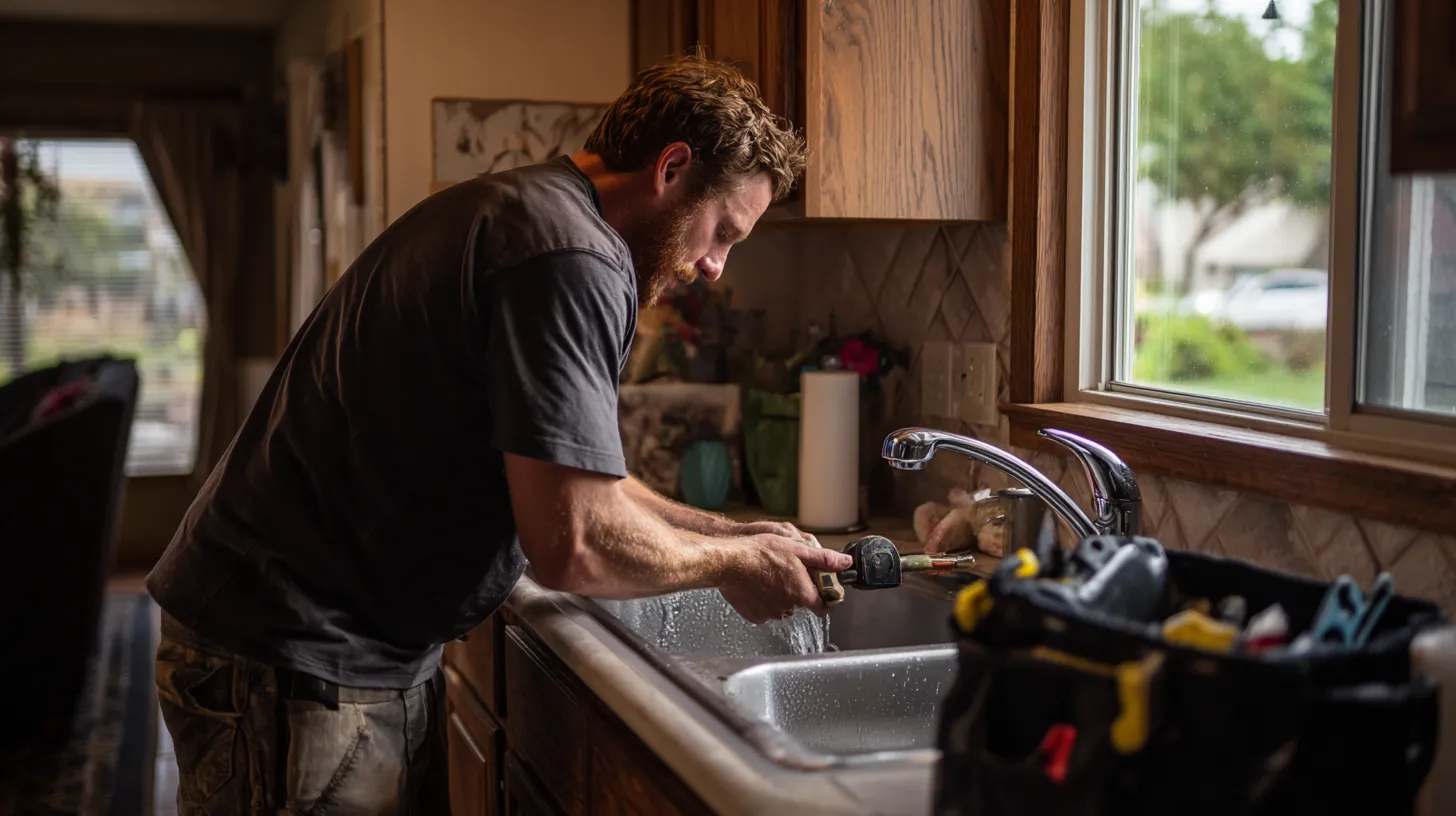
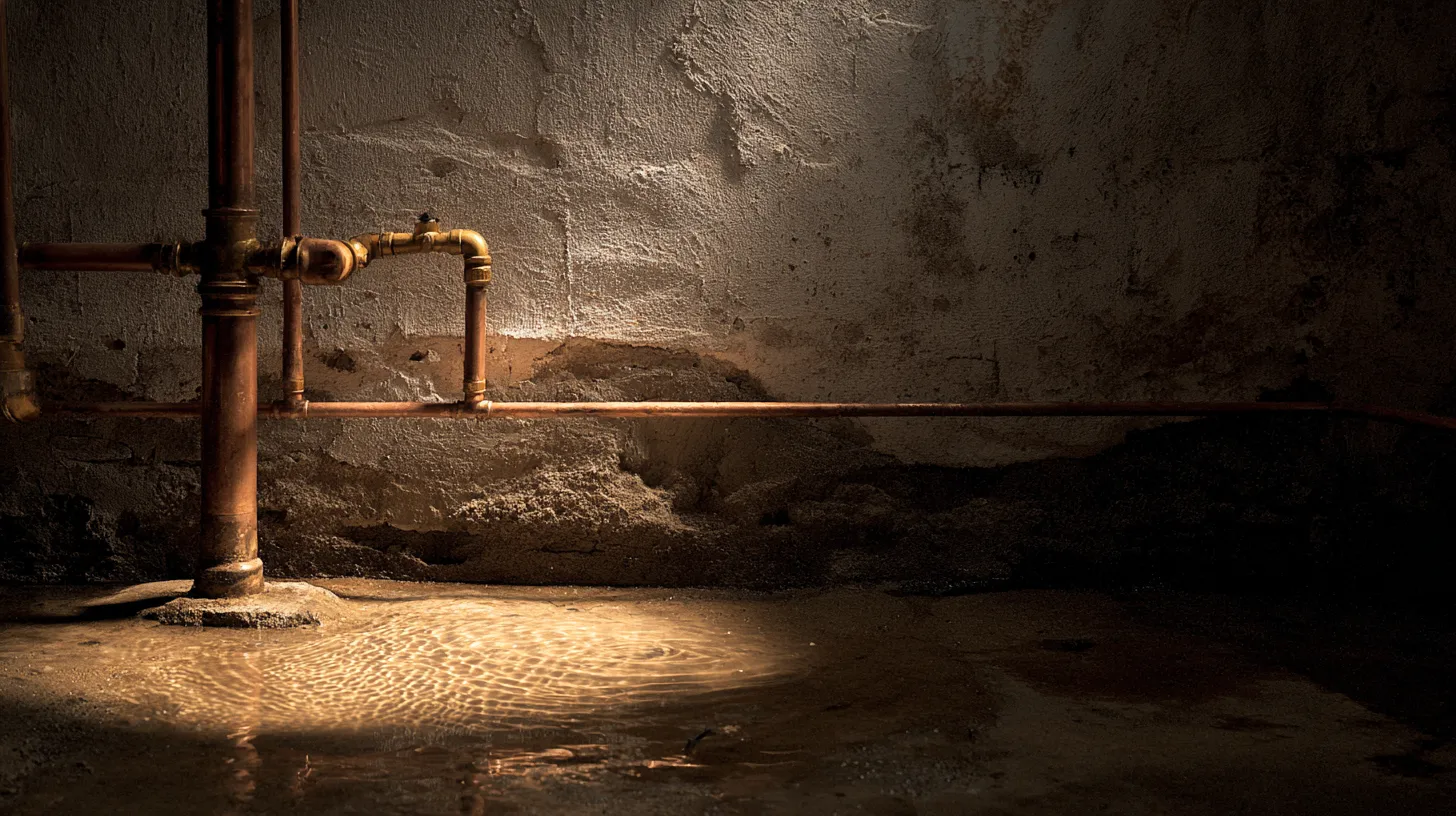
Emergency plumbing is the immediate repair of a plumbing failure that releases water, sewage or gas inside a building. In Grand Rapids, Michigan, the work centers on five failures: burst pipes, sewer backups, failed main water shutoff valves, water heater leaks and flooded basements. A 24 hour plumber stops the flow first, then repairs the cause. Local rules shape every call, because the Grand Rapids Water System, the property owner and the plumber each own a different part of the water line. Emergency plumbing in the Grand Rapids area also follows the region's housing age, its freeze-thaw winters and the Grand River.
Water Supply Emergencies in Grand Rapids
Water supply emergencies start on the pressurized side of a building's plumbing, where city water keeps flowing until a valve closes. The five most common failures are burst pipes, frozen pipes, leaking water service lines, failed shutoff valves and water main breaks.
Ownership decides who repairs each failure. The Grand Rapids Water System maintains the line from the water main to the curb stop, plus the meter and the couplings on each side of it. The property owner maintains the curb stop-to-meter line and all plumbing inside the home (Grand Rapids Water System Rules and Regulations, 2026). When the city finds a leak on the owner's section, it sends written notice; the city shuts off service if the owner leaves the leak unrepaired for 10 days. Only Water System staff operate the curb stop, and the city bills unauthorized operation, including by contractors, at double the water rate plus a penalty.
Pipe material changes the repair. Type K copper, PEX-A supply line and galvanized steel each fail differently, and galvanized steel corrodes from the inside. A lead service line found leaking in Grand Rapids qualifies for replacement at no cost to the owner under the city's Lead Line Replacement Program.
The utility that serves an address decides who answers a main break:
| Town | Drinking water | Sewer treatment |
|---|---|---|
| Grand Rapids | Grand Rapids Water System (Lake Michigan) | City of Grand Rapids |
| Walker | Grand Rapids Water System, entire city | City of Grand Rapids |
| East Grand Rapids | Grand Rapids water, East Grand Rapids distribution | East Grand Rapids collection, Grand Rapids treatment |
| Kentwood | West of Breton Avenue: City of Wyoming; east: City of Grand Rapids | Same split |
| Wyoming | Donald K. Shine Water Treatment Plant (Lake Michigan) | Wyoming Clean Water Plant |
| Grandville, Jenison, Hudsonville | City of Wyoming (Lake Michigan) | Grandville Clean Water Plant |
| Byron Center, Cutlerville | City of Wyoming via Byron-Gaines Utility Authority | Mostly Wyoming Clean Water Plant |
| Ada Township | Ada Township Water System (Grand Rapids water) | City of Grand Rapids |
| Plainfield Township, Comstock Park | Plainfield Township Water Department (groundwater wells) | North Kent Sewer Authority |
| Rockford | City of Rockford wells | North Kent Sewer Authority |
Sources: City of Grand Rapids, City of Wyoming, City of Kentwood, City of Walker, City of East Grand Rapids, Ada Township, Plainfield Township, City of Rockford, Byron-Gaines Utility Authority (2025–2026).
Drain and Sewer Emergencies
Drain and sewer emergencies move wastewater the wrong way: up through floor drains, toilets and tubs instead of out to the sewer. The five common failures are a main sewer line backup, a basement floor drain backup, a toilet overflow, tree root intrusion and a collapsed sewer lateral.
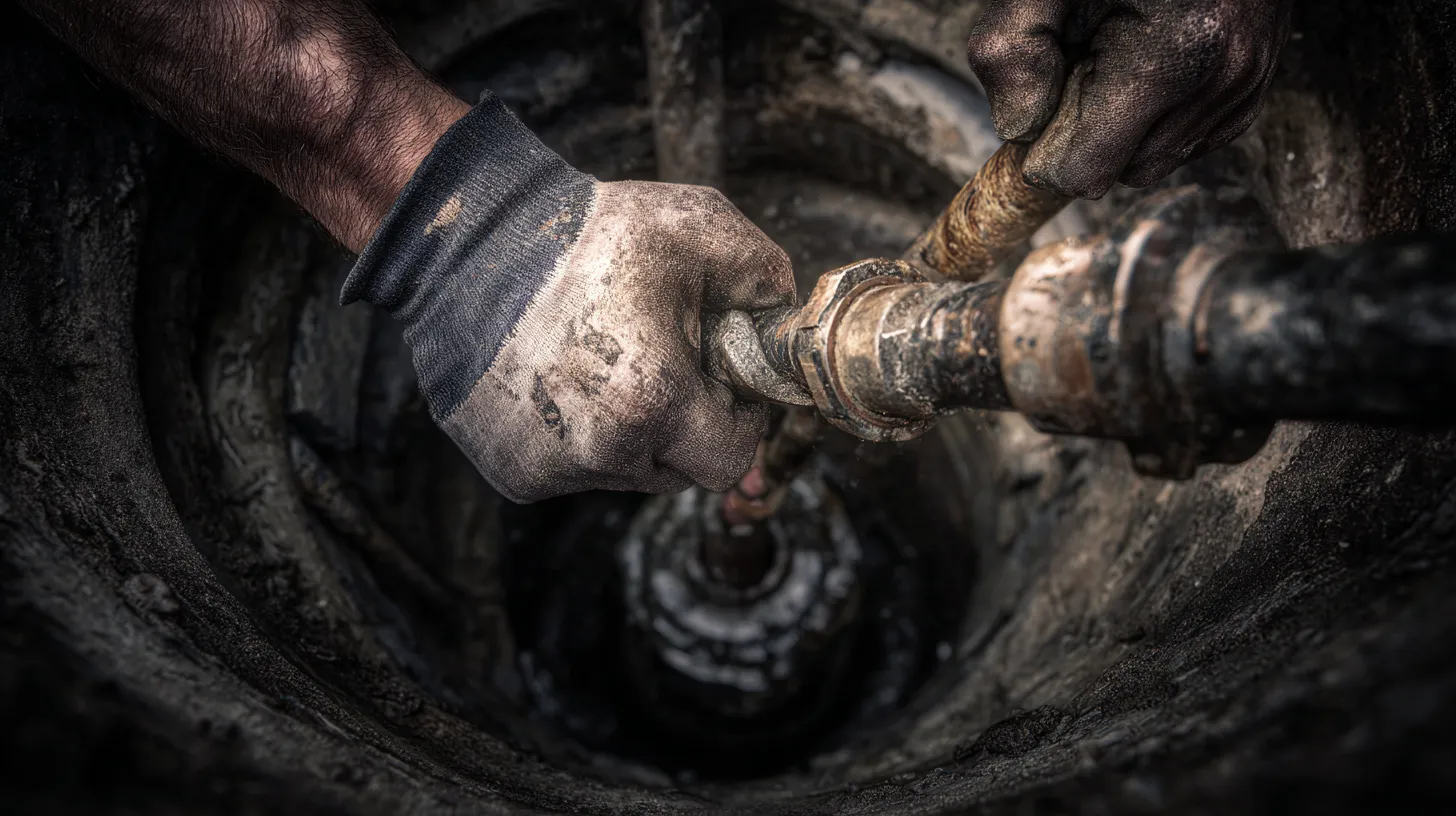
Blockage location sets the response. A clog in one fixture affects one drain; a main-line blockage backs up every drain at the lowest point of the building, usually the basement floor drain. Older Grand Rapids neighborhoods carry cast iron drain stacks and clay tile sewer laterals, and roots enter clay joints. A main sewer cleanout gives the plumber access for a drain auger or a hydro-jetter, and a sewer camera confirms whether the lateral has cracked or collapsed.
Rain changes sewer behavior. Footing drains tied into the sanitary lateral push groundwater into the sewer during storms and overload it. The City of Grand Rapids runs a Footing Drain Disconnection Program that reroutes that water to the storm system; the program generally covers all costs and is mandatory in targeted neighborhoods. Grand Rapids completed its Sewer Improvement Project in 2015, eliminating 59 combined sewer overflow sites with 119 miles of new pipe.
Sewer backups carry a sanitation risk that a clean-water leak does not. Contact with the water stays limited until the line clears and the area dries.
Water Heater and Gas Emergencies
Water heater and gas emergencies combine water damage with heat, pressure or fuel. The five failures are a leaking water heater tank, a discharging temperature and pressure relief valve, a loss of hot water, a gas odor at an appliance and a failed burner or pilot.
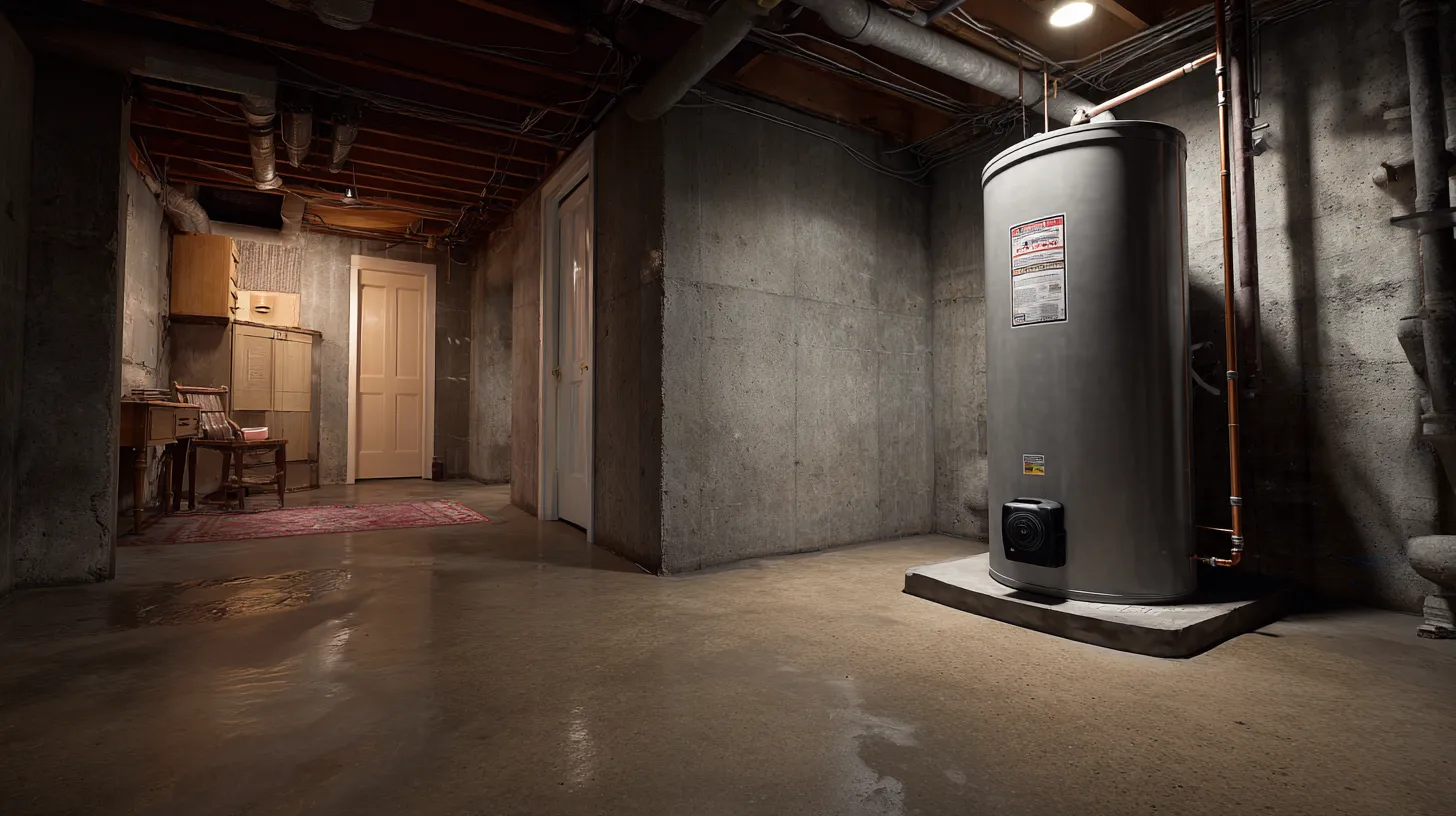
Tank type shapes the repair. A 40-gallon gas tank water heater, a 50-gallon electric tank and a tankless gas unit fail in different ways. A tank leak from the bottom usually means internal corrosion and a replacement; a leak at a fitting or valve often means a repair. The temperature and pressure relief valve releases water when tank temperature or pressure rises too high, so a discharging valve signals a control problem, not only a leak.
Shutting off the heater stops heating, not water. The cold-water inlet valve, or the home's main shutoff, stops water from refilling the tank.
A gas odor changes the order of every step. Occupants leave the building first and call the gas utility or 911 from outside, before any plumbing work starts. Black iron gas pipe and appliance connectors stay out of service until a qualified technician tests and repairs them.
Grand Rapids lists water heaters on its plumbing permit application, so an emergency water heater replacement inside the city carries a permit and an inspection.
Basement and Groundwater Emergencies
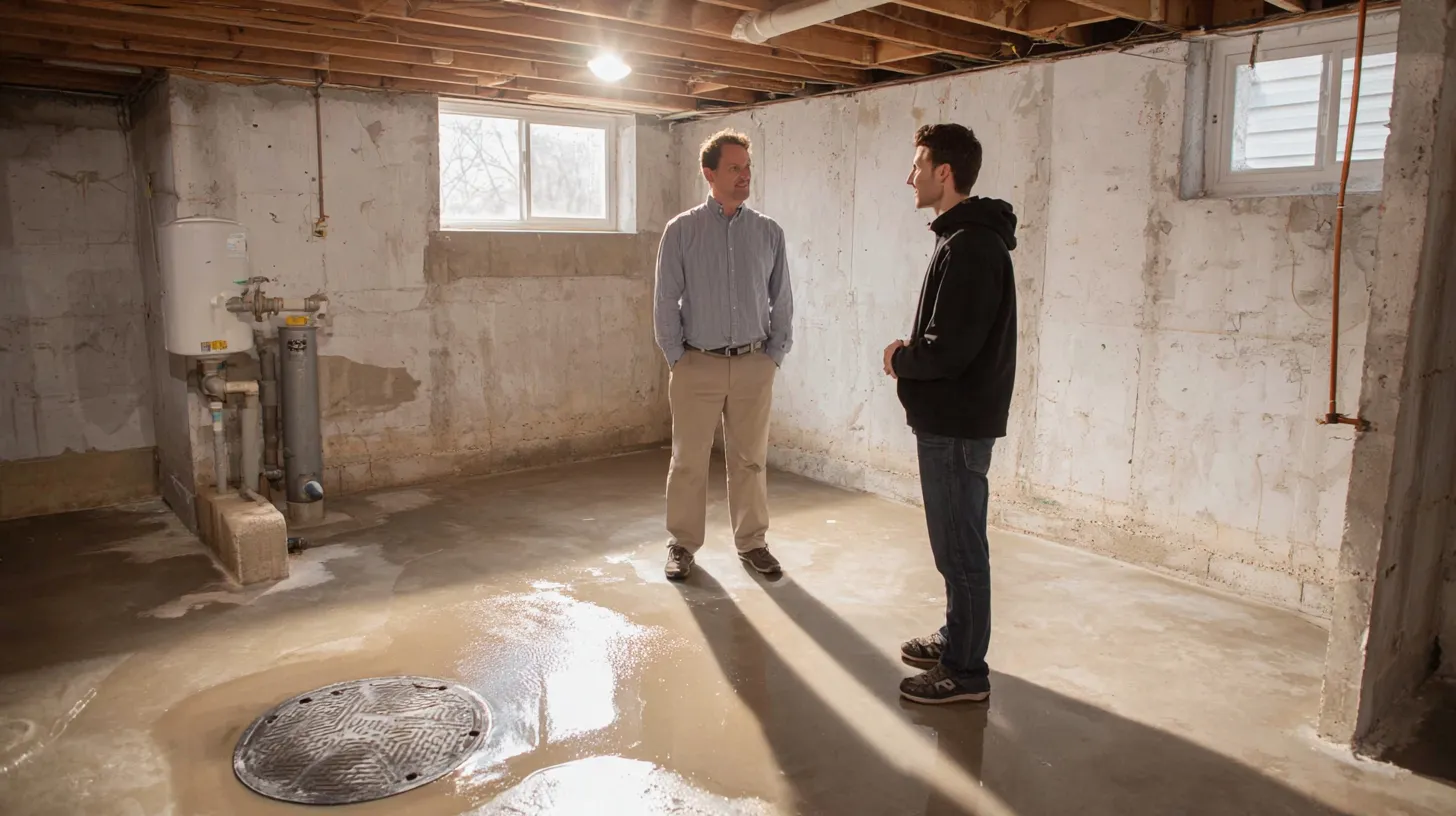
Basement and groundwater emergencies bring water in from below or from outside the plumbing system. The five common causes are sump pump failure, a power outage during a storm, a flooded basement, footing drain overload and a missing or failed backwater valve.
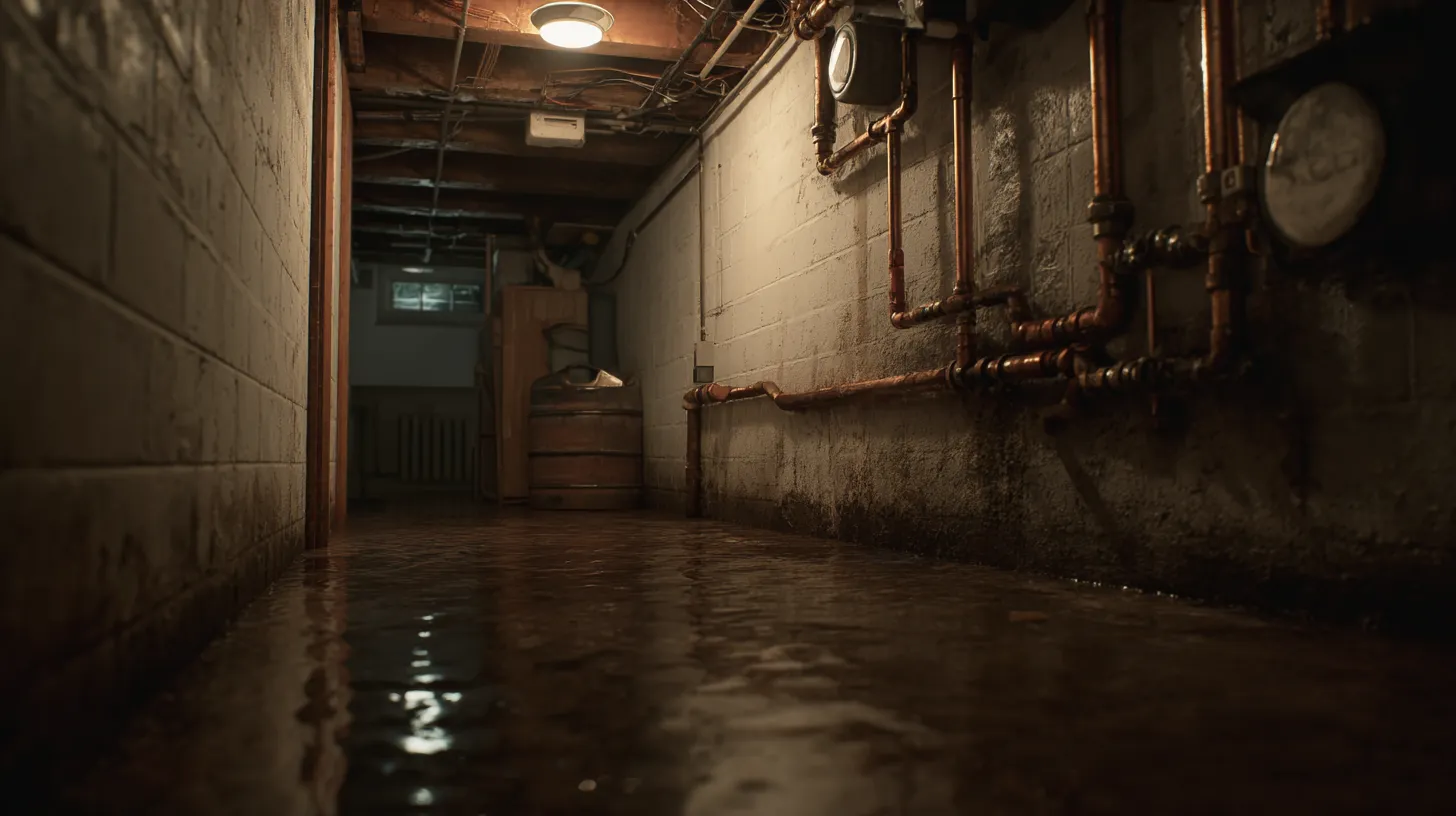
Water source decides the fix. Clear water rising from the sump pit points to groundwater and a failed submersible or pedestal sump pump. Gray or dark water at the floor drain points to a sewer backup. Water spreading from a wall or ceiling points to a supply line. A battery backup sump pump keeps the sump pit draining when a storm cuts grid power.
The Grand River sets the regional flood context. At the Grand Rapids gauge, the National Weather Service sets flood stage at 18 feet, moderate flooding at 21 feet and major flooding at 23 feet. The river crested at a record 21.85 feet on April 21, 2013, and reached 20.67 feet on February 25, 2018 (NOAA, gauge GDRM4). Plaster Creek flooded south Grand Rapids homes until a $2.04 million mitigation project finished in 2009 moved more than 100 homes out of FEMA flood zone A.
Electrical hazard comes before water removal. Standing water near outlets, a furnace or a water heater keeps occupants out of the basement until power to that area is off.
Grand Rapids Utilities and Authorities
Grand Rapids utilities and authorities decide who answers the call, who pays and who signs off on the repair. Five bodies matter most: the Grand Rapids Water System, the City of Wyoming water system, the Grandville Clean Water Plant, the North Kent Sewer Authority and the Kent County Health Department.
The Grand Rapids Water System serves about 280,000 people. It runs a 24-hour emergency repair line through city Customer Service, reachable by dialing 311 inside city limits, and it handles failures on the city's side of the curb stop. Property damage from a broken main, a city-side service line or a hydrant goes to the city's Risk Management Office as a claim.
City programs reduce repeat emergencies:
- The Lead Line Replacement Program replaces lead service lines, free when a leak appears on the lead line or a city construction project reaches the address; the city budgeted $11.4 million for private-side work in fiscal year 2027.
- Policy 1000-22 helps eligible owners pay for backwater valves on sanitary laterals, footing and roof drain disconnection and sump pumps that discharge to the lawn or storm sewer.
- The Footing Drain Disconnection Program keeps groundwater out of the sanitary sewer.
The Grand Rapids Development Center issues plumbing permits. Its application lists water heaters, backwater valves, backflow preventers and sumps, and it limits owner-pulled permits to work in a home the owner occupies.
Grand Rapids Property Owners Maintain the Water Service Line From the Curb Stop to the Meter
The owner's section of the water line starts at the curb stop and ends at the meter, and the owner pays to repair or replace it. The city's section runs from the main to the curb stop and includes the meter and its couplings. This split matters most in winter and in older homes, because a leak in the yard or under the basement floor between the curb stop and the meter belongs to the owner, not the city. The Water System sends written notice when it finds such a leak and shuts off service after 10 days without a repair. A plumber repairs the owner's section; only Water System staff operate the curb stop itself.
Grand Rapids Water System Rules Require a Shutoff Valve on Each Side of the Water Meter
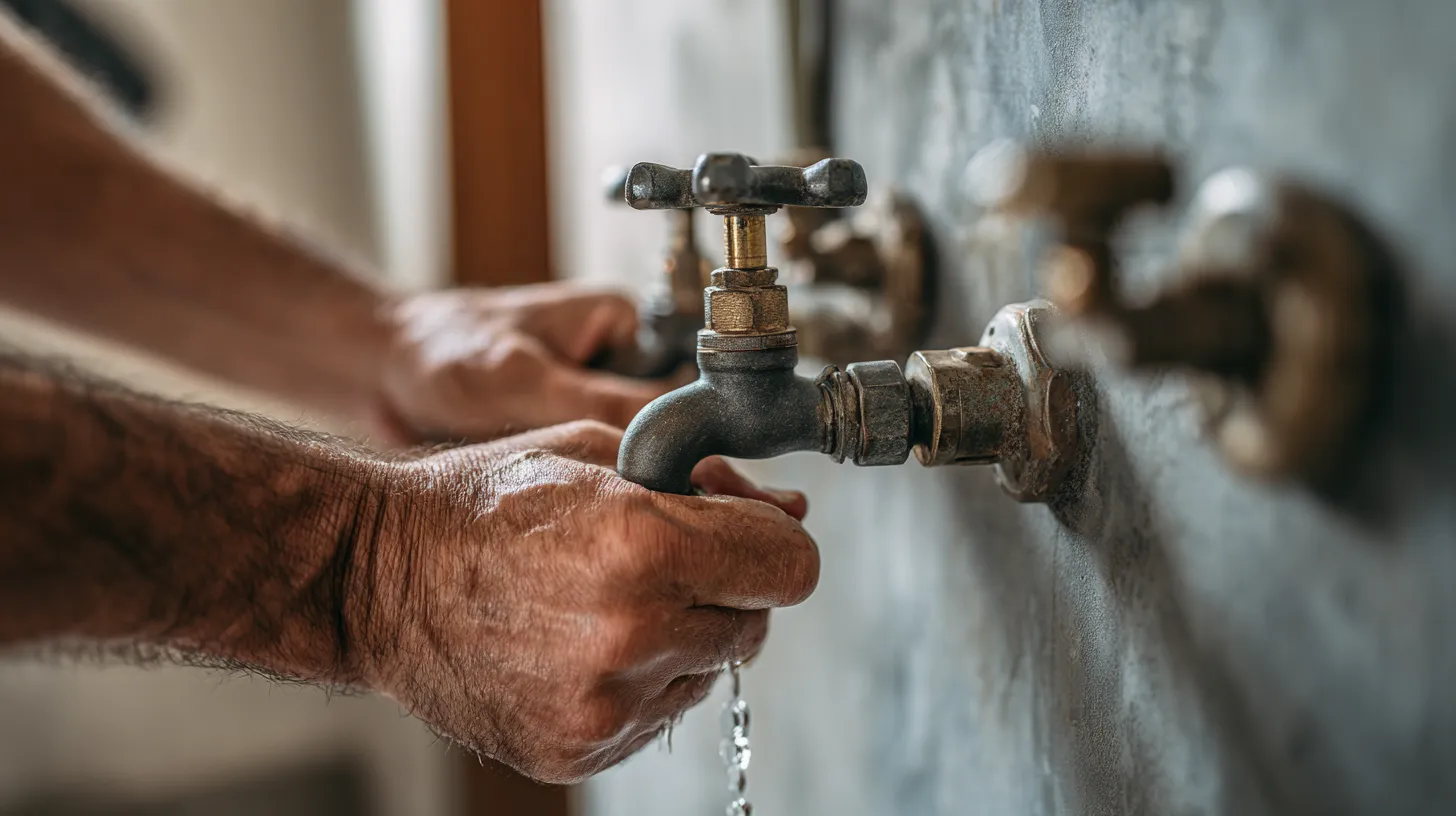
Grand Rapids requires a valve before the water meter and a valve after it, so an owner stops water to the house without waiting for the city. During a burst pipe or a water heater leak, closing the house-side valve stops the flow in seconds. A valve that will not turn, or that turns without stopping the water, becomes its own emergency, because the next option sits at the curb stop, which only the Water System operates. Testing both valves once a year confirms they close fully before a real emergency arrives.
Grand Rapids Helps Eligible Owners Install Backwater Valves That Block Basement Sewer Backups
Grand Rapids offers financial help for backwater valves under City Commission Policy 1000-22. A backwater valve on the sanitary lateral closes when sewage flows toward the house, which stops backups at the basement floor drain. The same policy covers disconnecting footing and roof drains from the lateral and installing a sump pump that discharges to the lawn or storm sewer. The city decides eligibility: the program covers properties where an overloaded city sewer caused a backup in the past 10 years and properties in areas that add to downstream backups, and a city-hired contractor does the work. A backup cleared by a plumber, followed by a backwater valve, turns a repeat emergency into a one-time repair.
Homes Built Before 1940 Make Up 37.5% of Grand Rapids Housing
Grand Rapids housing runs older than its suburbs, and older plumbing fails more often under stress. The U.S. Census Bureau's American Community Survey (2020–2024) puts the median Grand Rapids home at 1953 and the share built before 1940 at 37.5%. East Grand Rapids follows at 28.8% before 1940. Wyoming's median home dates to 1969, Kentwood's to 1983 and Walker's to 1984. Pre-war homes carry galvanized supply lines, cast iron stacks and clay sewer laterals, which corrode, crack and admit roots. Age alone does not cause an emergency, but it raises the odds that a cold snap or a heavy rain finds a weak point.
The Grand River Crested at a Record 21.85 Feet in Grand Rapids on April 21, 2013
The April 2013 crest of 21.85 feet set the Grand River record at Grand Rapids, almost four feet above the 18-foot flood stage. A second high crest of 20.67 feet followed on February 25, 2018. High river levels raise groundwater and push storm and sewer systems to capacity, which fills sump pits faster and raises the risk of floor drain backups in low-lying basements. After 2013, Grand Rapids added flap gates on storm sewer outlets to stop river backflow and raised parts of its floodwall by up to three feet. Updated FEMA digital flood maps replaced the 1982 paper maps in 2023.
Frequently Asked Questions
What Counts As A Plumbing Emergency In Grand Rapids?
A plumbing emergency is any failure that spreads water, sewage or gas inside a building. Burst or frozen pipes, sewer backups, overflowing toilets that won't stop, a leaking water heater, a flooding basement and any gas odor all need immediate service, day or night. A single slow drain usually waits for regular hours.
How Does An Owner Shut Off The Water During A Plumbing Emergency?
Closing the main shutoff valve next to the water meter stops the flow. Grand Rapids requires a valve on each side of the meter, usually in the basement or utility room, so owners act without the city. Opening a low faucet afterward drains remaining pressure from the pipes.
Who Fixes A Water Line Leak Between The Street And A Grand Rapids Home?
The property owner fixes a leak between the curb stop and the meter. The city maintains the main-to-curb stop section, the meter and its couplings. The Water System sends written notice of an owner-side leak and shuts off service if it stays unrepaired after 10 days. The city's 24-hour line, or 311, handles city-side failures.
How Much Does An Emergency Plumber Cost In Grand Rapids?
Emergency rates rise with the hour and the season. A 2026 Michigan cost guide lists these Grand Rapids ranges for the service call alone:
| Time of call | Typical service call |
|---|---|
| Regular hours | $65–$100 |
| Evenings | $125–$200 |
| Nights and holidays | $200–$400 |
| Winter emergencies (Dec–Feb) | $300–$600 |
Parts and repair work add to the call fee.
What Happens First When Sewage Backs Up Into A Basement?
Stopping all water use comes first: no flushing, no laundry, no dishwasher. People and pets stay out of the water, and power to the wet area stays off; when the panel box itself sits in standing water, the utility or a licensed electrician cuts the power. A plumber clears the main line through the cleanout. Owners whose backup came from an overloaded city sewer apply to Grand Rapids for help with a backwater valve; the city decides eligibility.
Common Misconceptions About Emergency Plumbing in Grand Rapids
Misconception: The City Repairs Every Water Leak Between The Street And The House
Grand Rapids splits the water service line at the curb stop. The city maintains the main-to-curb stop section and the meter; the property owner maintains the curb stop-to-meter section and all inside plumbing. A leak on the owner's section stays the owner's repair, and the city shuts off service if it stays unrepaired 10 days after written notice.
Misconception: A Chemical Drain Cleaner Clears A Main Sewer Backup
A main sewer backup sits beyond the fixture drains, at roots, grease or a broken lateral. Chemical cleaners act on the first few feet of a drain and leave the main blockage in place, while the chemicals sit in the backed-up water. Clearing the main line takes a drain auger or hydro-jetter through the main sewer cleanout.
Misconception: A Basement Sewer Backup Always Comes From The City Main
Many backups start on the private side: a root-filled clay lateral, a collapsed section or footing drains that overload the sanitary line during rain. Grand Rapids runs a Footing Drain Disconnection Program to stop that overload. A sewer camera inspection shows where the blockage sits and who owns that section.
Misconception: Switching Off A Leaking Water Heater Stops The Leak
Turning off the gas or power stops the heating, not the water. The tank keeps refilling from the cold water supply line as long as that line stays open. Closing the cold-water inlet valve on top of the heater, or the home's main shutoff, stops water from entering the tank.
Misconception: A Frozen Pipe Is Safe Once Water Flows Again
Ice expands inside a frozen pipe and splits it while frozen. The split leaks once the ice melts and pressure returns, often inside a wall or crawl space. In vacant homes, Grand Rapids Water System rules leave draining the plumbing to the owner, so a winterized house needs its lines drained before a freeze, not after.
Ongoing Debates in Emergency Plumbing
Flat-rate pricing and hourly pricing divide emergency plumbers. Flat-rate pricing gives the owner a fixed number before work starts, which removes surprise from a stressful call. Hourly pricing charges only for the time a job takes, which favors short, simple repairs. Both models add an after-hours premium in most of the Grand Rapids market.
Repairing or replacing a failed tank water heater divides owners at the moment of failure. A repair restores hot water faster and costs less that night. A replacement avoids a second emergency when an aging tank keeps corroding. Tank age, leak location and the cost of a second after-hours call settle the choice.
Trenchless sewer lateral repair and excavation divide sewer specialists. Trenchless methods line or burst the old lateral and spare the yard, driveway and landscaping. Excavation exposes the full failed section so the plumber sees and replaces it directly. Lateral material, depth, collapse extent and access decide which method fits.
Battery backup and water-powered backup sump pumps divide basement owners. A battery backup runs during a power outage without drawing on city water. A water-powered backup runs without batteries but uses municipal water pressure to move groundwater. Storm patterns, water costs and battery maintenance decide which owners prefer.
Waiting until morning and calling immediately divide homeowners facing after-hours rates. Waiting avoids the night premium for a slow leak contained in a sink cabinet. Calling immediately limits water spreading into drywall, flooring and finished basements, where damage costs more than the premium. Shutting off the water first narrows the gap between the two choices.
Components of a Grand Rapids Emergency Plumbing Call
Every emergency call works through the same set of components. The curb stop is a component of the water service line; it marks the line between city and owner responsibility in Grand Rapids, and only Water System staff operate it. The water meter is a component of the home water supply system, and the required valves on each side of it give the owner the first shutoff point. The sewer lateral is a component of the building drain system; it carries wastewater from the main sewer cleanout to the public sewer, and its clay, cast iron or PVC material shapes how a backup gets cleared. The temperature and pressure relief valve is a component of the water heater, and its discharge signals an overheating or overpressure condition rather than a simple leak. The sump pump is a component of the basement drainage system; with a sump pit, a check valve and a discharge line, it moves groundwater away from the foundation, and a battery backup carries it through power outages. A 24 hour plumber diagnoses which component failed before repairing it, because the failed component decides the fix.
Summary
Emergency plumbing in Grand Rapids covers five failure groups: water supply, drain and sewer, water heater and gas, basement and groundwater, and the local utility rules that govern each repair. Ownership drives the response: Grand Rapids property owners maintain the water service line from the curb stop to the meter, while the city maintains the main, the curb stop and the meter. Shutoff valves, sewer backup programs, housing age and Grand River levels shape how each emergency unfolds. Emergency plumbing in the Grand Rapids area starts with stopping the flow and ends with repairing the failed component.